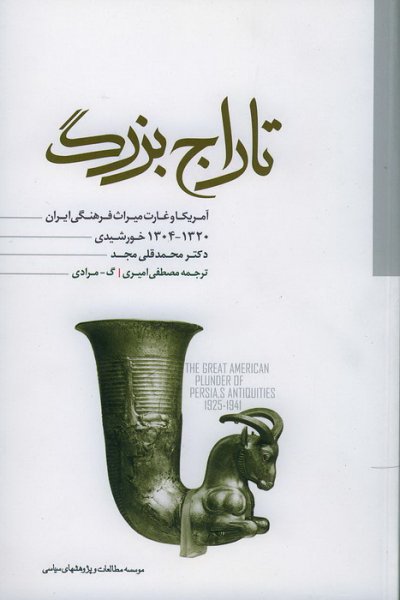
Oriental studies began in 1312 AH (1912 CE) with the establishment of Eastern language teaching chairs at European universities. These studies continued with the boom in travel literature following the age of exploration and turned into a scientific discipline based on the discourse of modernity from the last quarter of the eighteenth century onward. Since knowledge and power were intertwined in this discourse, imperial powers gradually exploited the knowledge derived from Oriental studies to infiltrate, dominate, and plunder the natural and cultural resources of colonized countries. In this book, Mohammad Gholi Majd, a retired professor from the University of Pennsylvania, emphasizes U.S. State Department documents to show that the cultural and scientific relations between the United States and Iran between 1320-1304 AH (1941-1925 CE) were framed within a ‘discourse of plunder.’ In other words, he argues that one of the outcomes of the link between knowledge from Oriental studies and imperial power was the infiltration of the ‘discourse of plunder’ into the thinking and actions of Orientalists in their scientific and cultural relations with colonized countries. Orientalists and Orientalist institutions in the U.S., under the pretext of research, engaged in the plundering of Iran’s ancient artifacts and art treasures from 1320-1304 AH, acting similarly to politicians and agents of the U.S. State Department and CIA in Iran. The Great Plunder represents a tragic and regrettable chapter of Iranian history during the reign of Reza Shah—a little-known part of Iran’s contemporary history overshadowed by current political conflicts. This book, relying on U.S. State Department documents, unveils the story of the grand plunder of Iran’s ancient heritage by Americans and their local collaborators. Many Iranians, including researchers, may not know how this vast and astonishing wealth of Iran’s antiquities ended up in museums such as the Metropolitan, Boston, and Chicago, nor how over 30,000 exquisite clay tablets were transferred to Chicago as ‘loaned items’ under the pretext of deciphering codes and never returned to Iran.




Reviews
Clear filtersThere are no reviews yet.