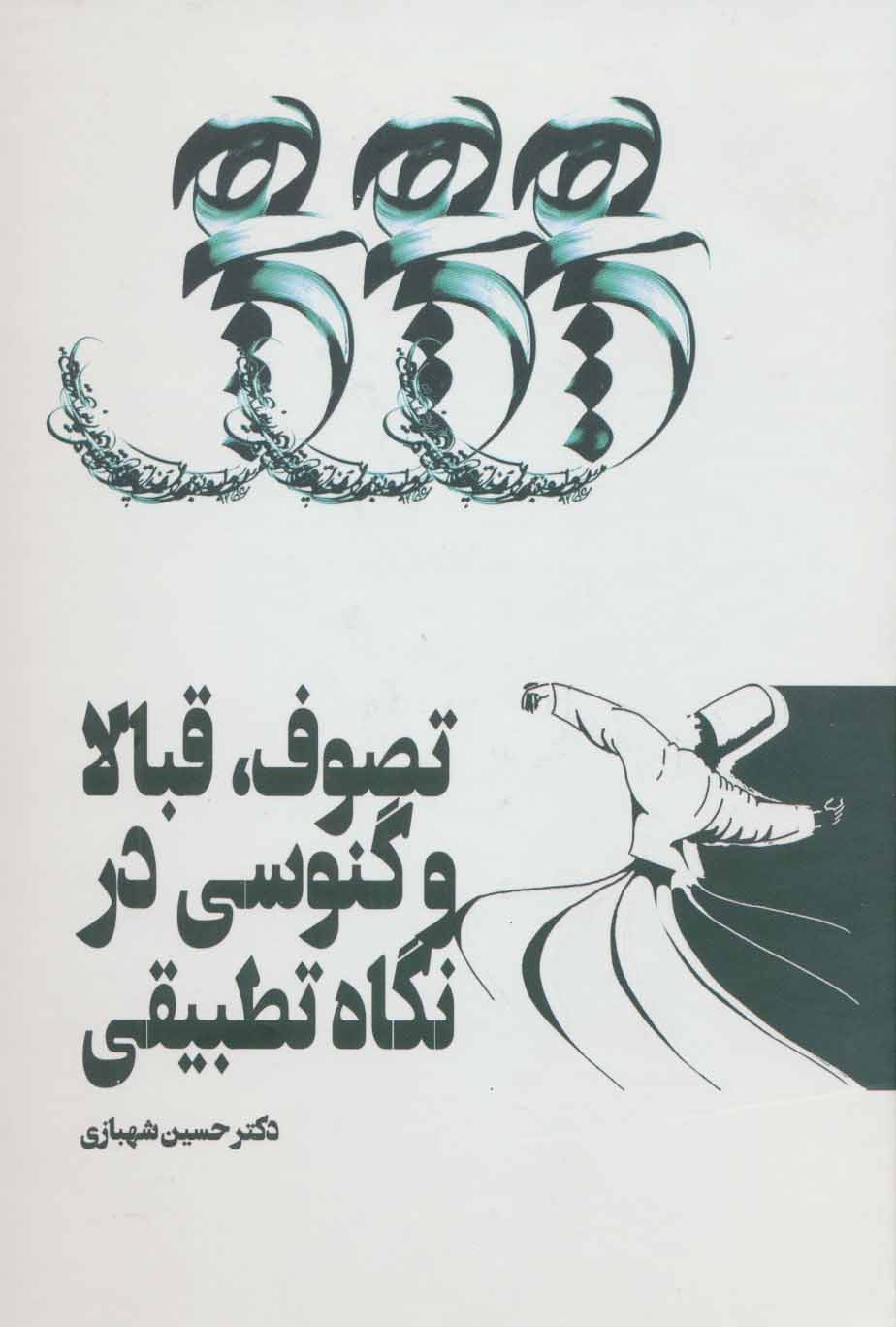
This book is the result of the author’s research during a PhD program in Persian Language and Literature at the University of Tabriz. The author argues that each of the three mystical schools—Kabbalah, Gnosticism, and Sufism—developed within the cultural and social contexts of one of the major divine religions (Judaism, Christianity, and Islam) and came to fruition therein. Among these, Gnosticism had the least influence from Christianity. Sufism was heavily influenced by Islamic jurisprudence, although some teachings of Sufism, in the form of tariqa, were considered outside the scope of Sharia, but overall its teachings remained within the framework of monotheism. Kabbalah, while emerging within Judaism, was influenced by Gnostic and Sufi teachings. Due to their mutual influence or one-sided impact on each other, as well as shared or related foundations, these three schools—with their significant differences and distinctions—can be the subject of comparative study. This book, based on the hypothesis of interaction and connection among Sufism, Kabbalah, and Gnosticism, seeks to explain the aspects of their interaction and two-way or multilateral relationships. To achieve this, it comparatively examines the main components of their mystical thought, such as the concept of God and mystical goals, anthropology and the place of humans in the cognitive system, good and evil, Iblis and his relation to the best order, intellect, unity and multiplicity, stages of spiritual journey, the use of symbolic language, distinct and common features in symbols and codes, the degree of influence from divine religions (Judaism, Islam, and Christianity) and human rituals and ideas (Manichaeism, Neoplatonism, etc.). The basis of comparative discussion in this work is the American comparative school, which views cultural and literary categories as a whole beyond borders and, without prioritizing historical connections, examines cultural and literary relations independent of positivist constraints. Although today, comparative studies no longer hold the limited and traditional meaning but apply to parallel readings of works and cultural categories in various fields.






Reviews
Clear filtersThere are no reviews yet.