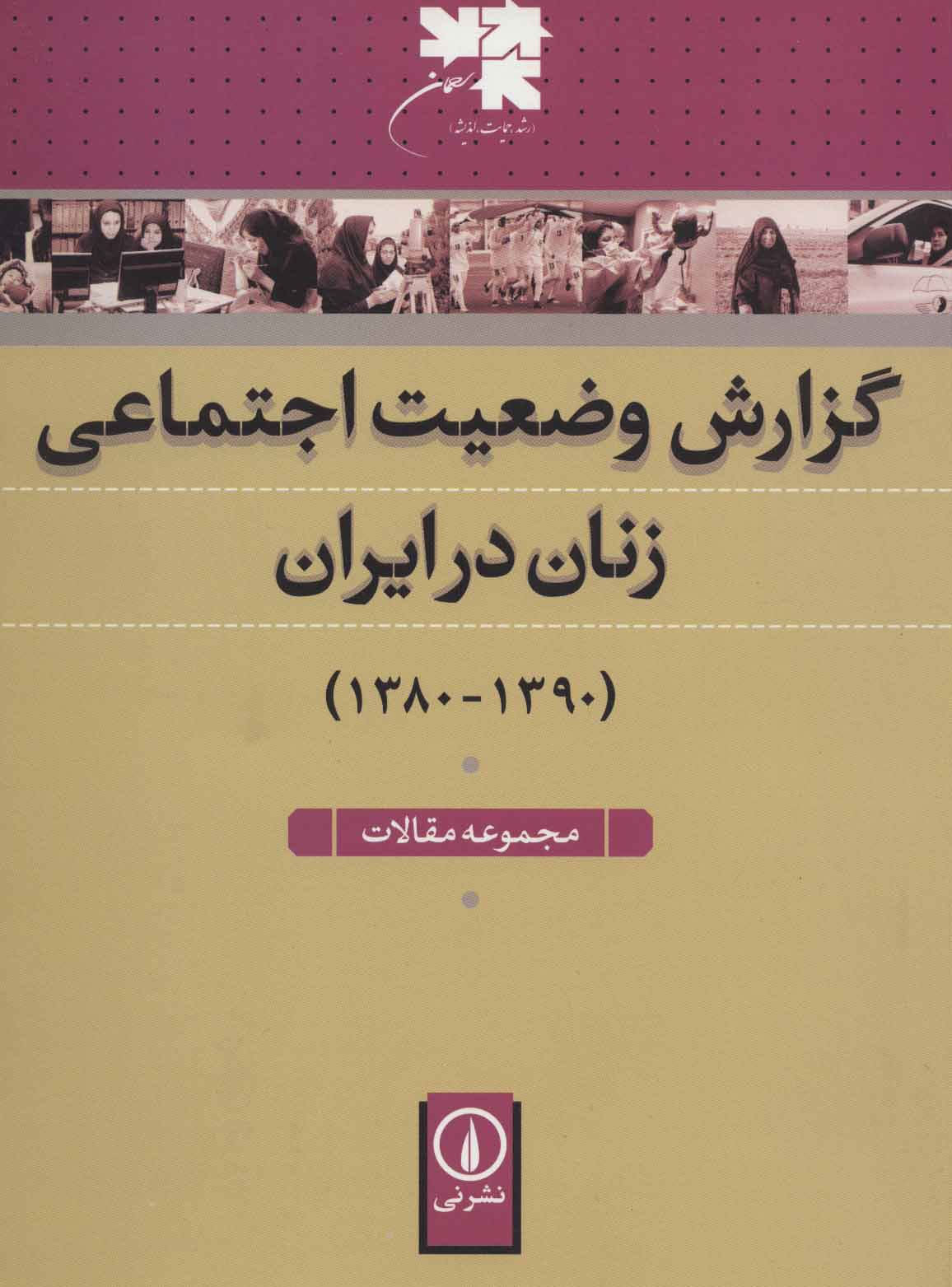
Over the past years, a series of internal and transnational developments have transformed the position of Iranian women. The occurrence of the Islamic Revolution and the growth of justice-oriented values, expansion of civil liberties, modernization and development processes in society, change in traditional values, increased university education, access to mass media, and information circulating globally have collectively enhanced the cultural, social, economic, and political capital of women. This situation has gradually transformed the women’s status in the social hierarchy and their role in managing country affairs. In this process, new fields for enhancing women’s capabilities and demonstrating their competencies have emerged. However, women still suffer more than men from discrimination, humiliation, violence, sexual assault, poverty, illiteracy, and insecurity. Meanwhile, any societal development model, based on any belief system or scientific paradigm, aims at inclusive justice, respect for human rights, and elimination of deprivation for vulnerable individuals. This work highlights the cultural, economic, social, and political conditions of the 1380s decade (2001-2011) and examines the status of women during this period. The report prepared with this purpose combines descriptive, analytical, and practical objectives: identifying and explaining various dimensions of Iranian women’s status during the 1380s decade; comparing women’s status across different regions in the country as well as with women in some other countries; analyzing and explaining the background and causes related to restrictions and problems faced by women; proposing practical recommendations for improving women’s human development indices and achieving gender justice.



Reviews
Clear filtersThere are no reviews yet.