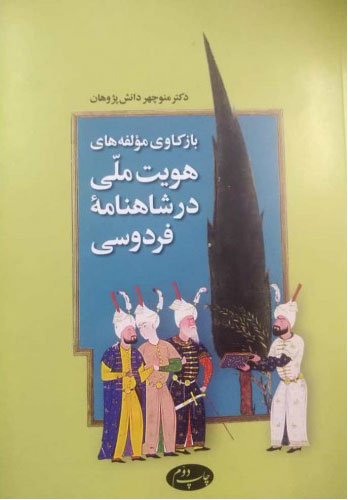
Ferdowsi’s Shahnameh, a poetic epic, contains approximately 50,000 to 61,000 verses according to existing manuscripts, and is one of the greatest and most prominent epic poems in the world. Its composition was the result of nearly thirty years of continuous work by this Iranian poet. The subject of this work is the legends and history of Iran from the beginning until the Arab invasion in the 7th century AD, covering the four dynasties of the Pishdadian, Kayanian, Parthian, and Sassanian kings. Shahnameh is composed of three parts: mythological, heroic, and historical, and is written in the meter of “Fa’oolan Fa’oolan Fa’oolan Fa’el” in the mutaqaarib muthamman mahzuf rhythm. At a time when the languages of science and literature in Iran were Arabic, Ferdowsi revived and preserved the Persian language by composing the Shahnameh with purposeful features. One of the main foundations Ferdowsi used for composing the Shahnameh was the Abu Mansuri Shahnameh. Ferdowsi composed Shahnameh at a time when the Persian language was in disarray, and he prevented the persistence and proliferation of this disorder. In composing the Shahnameh, Ferdowsi mainly used pure Persian, and the number of Arabic words in Shahnameh is only 865. Shahnameh has had a significant influence on the orientation of Persian culture and reflects splendid influences in world literature, with poets like Goethe and Victor Hugo praising it. Shahnameh is the largest book in the Persian language that has attracted attention worldwide and has been translated into many living languages. The first translation was done by Bondari Esfahani into Arabic in 1222 AD, followed by other translations including Jules Mohl’s translation into French. What distinguishes this present book from other research on Shahnameh is its interdisciplinary approach to identifying and assessing the components of national identity in Shahnameh. While drawing on historical findings, the author also points to the practical aspects of these components as a cultural and civilizational reservoir for contemporary Iranian society.




Reviews
Clear filtersThere are no reviews yet.