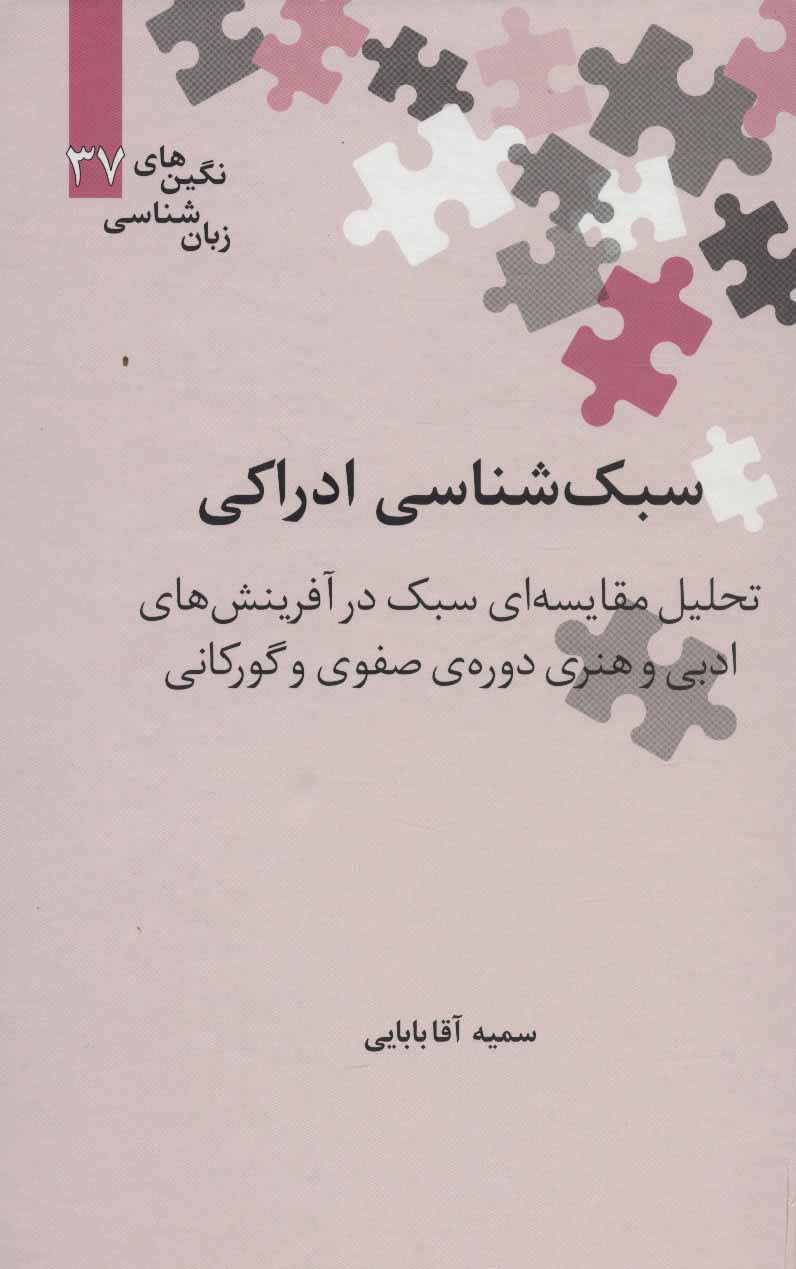
Despite the interdisciplinary nature of modern stylistics, the varying approaches in this scientific field have largely neglected the creation of methodological tools capable of studying all human artistic creations. Perceptual stylistics has been designed to address this gap. In this approach, stylistics is considered as a comprehensive whole, of which literary stylistics is merely one part. This whole can be likened to a puzzle completed by the assembly of its pieces. Other parts of this comprehensive stylistics include the stylistics of painting, architecture, calligraphy, music, and other arts, which complement literary stylistics. The present book aims to present style as an entity not confined to literature and to state that style, whether in literature or other arts, reflects the predominant thoughts of an era. To achieve this goal, the author first introduces the theoretical foundations and then extracts the dominant thought prevailing in the Safavid era in Iran and the Mughal era in India. Using the tools of perceptual stylistics, the book conducts a comparative analysis of style in artistic (architecture, calligraphy, and painting) and literary (Indian-style poetry and prose) creations.



Reviews
Clear filtersThere are no reviews yet.