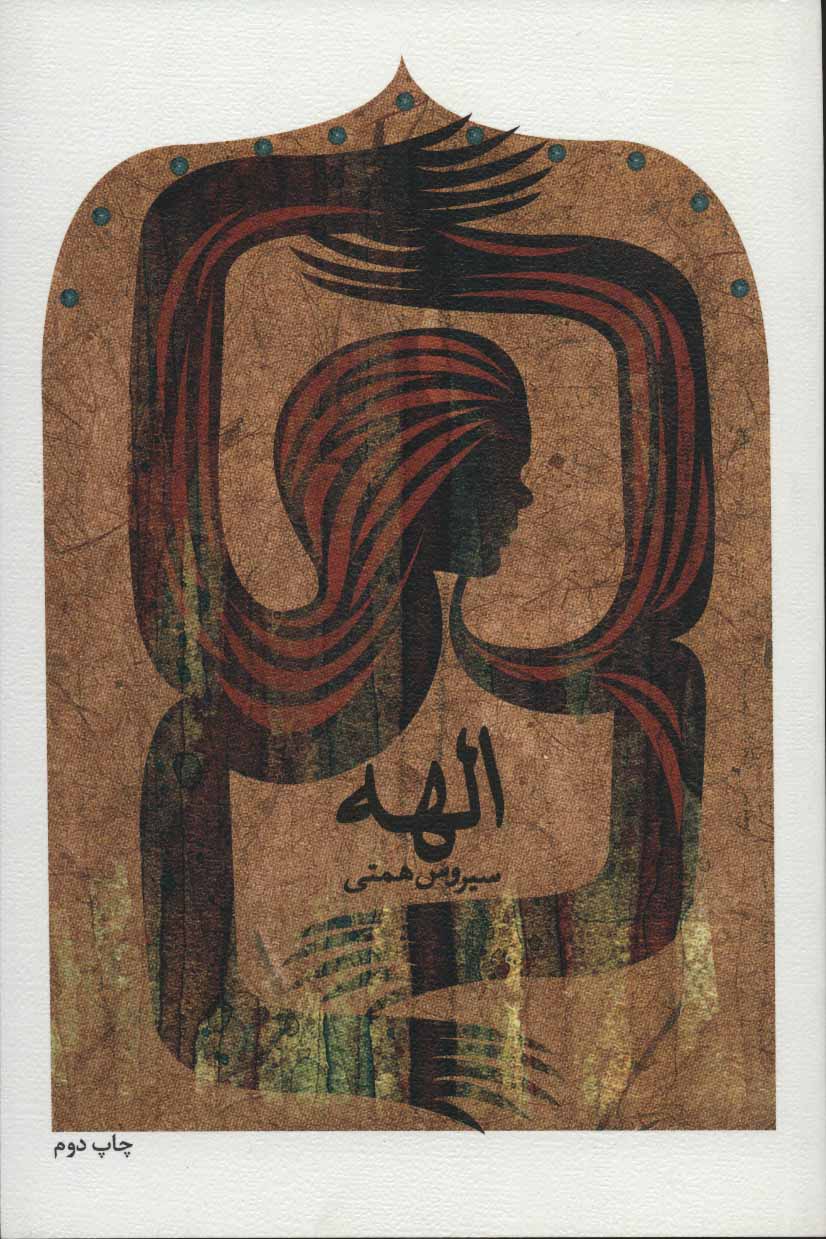
Sirous Hemmati in “Goddess” has compiled a collection of his plays for his audience, which reflect more a concern for storytelling and expression rather than form, narrative style, or theatrical visibility. These plays stem from the committed artist who strives to present a fresh and original narrative, to the best of his ability, about the beliefs and religious rituals of Iranians. In the first play of this collection, titled “A Narrative of the Unfinished Story,” he retells the events of the martyrs of the Karbala plain from the perspective of the family and harem of Yazid. Through their voices, in the form of an artistic and beautiful storytelling, he narrates how they were martyred, an account that even affected Yazid’s harem. The impact of this narrative and its style is such that Hemmati sees the narrator characters significantly influenced by the events they recite. In another play in the collection, “A Branch of Red Flower,” the theme of Ashura is beautifully portrayed. In this play, Shimar appears in contemporary times, confronting some self-proclaimed supporters of the martyr Imam and requesting that they go to Karbala and sacrifice themselves on his behalf. The way these characters respond reveals the playwright’s intellectual stance toward certain beliefs held by people of his land in the most beautiful manner. The play “Steel Does Not Rust” in this collection is a modern story of a young woman facing social abnormalities around her. Hemmati focuses more on the essence and manner of storytelling than on form, producing a thoughtful, engaging story rich with conflict and suitable narrative dialogues. Perhaps the most beautiful narrative in this collection is found in “The Impossible is Also Possible,” where the writer draws from the lesser-known story of giving Zuljanah to a young man so that it becomes the cabin of his Christian wife, creating a play that uniquely reflects the noble behavior of the family of the Commander of the Faithful toward their contemporaries. Hemmati’s seven-play collection can generally be seen as texts that optimally use deep and astonishing stories for their structure. Despite his varied acting experiences, Hemmati has preferred, in writing these texts, not to enslave the story and dramatic content to the space and form of the narrative. Thus, his works primarily satisfy the audience’s need for the reading of pure and impactful texts and engagement with original stories, more than their concern for how the plays are seen on stage.



Reviews
Clear filtersThere are no reviews yet.