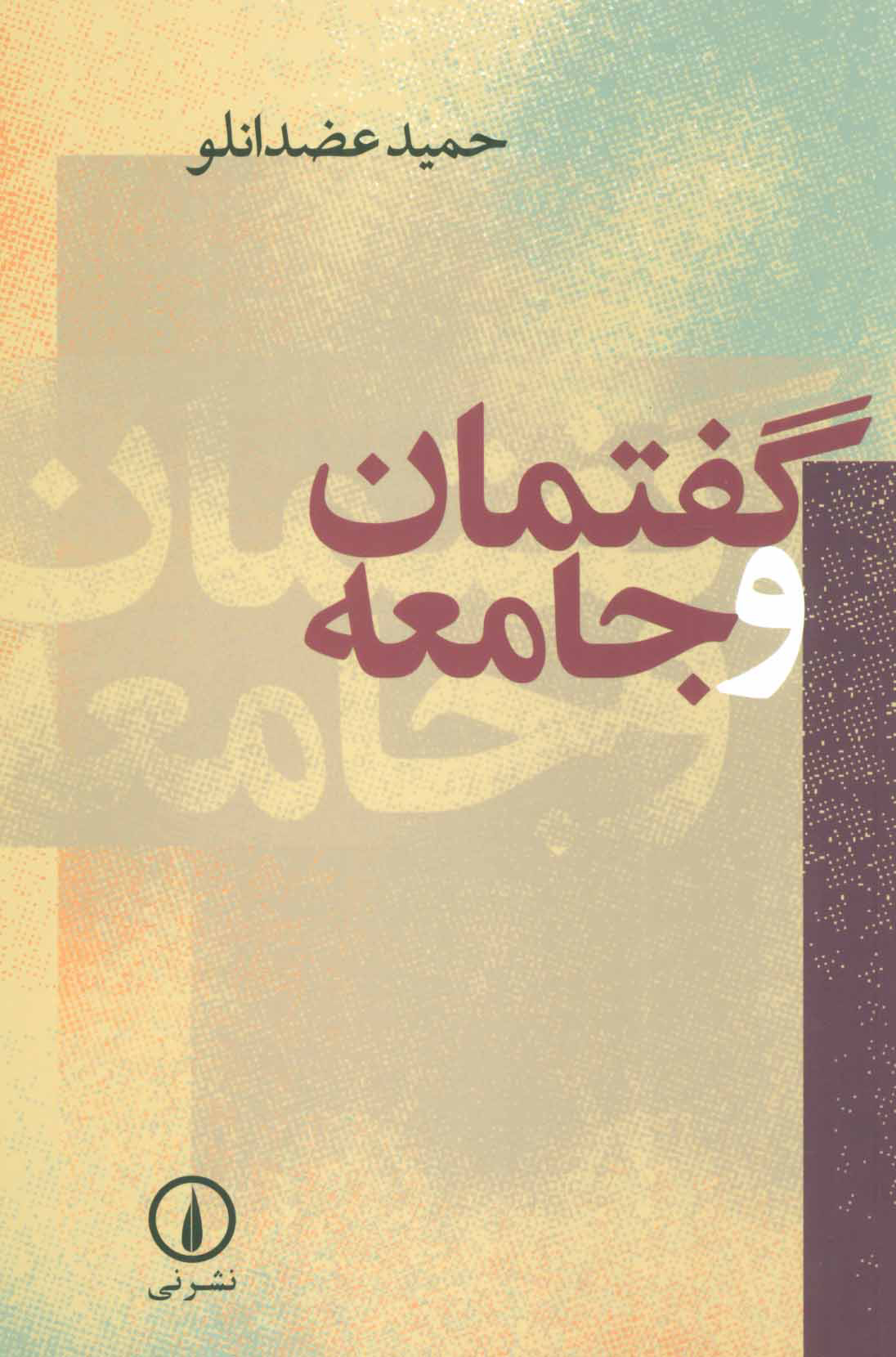
Modern humans still know little about themselves; they have yet to truly understand their nature and desires. They have not fully grasped their ‘natural,’ ‘social,’ ‘cultural,’ and other aspects, nor do they understand the factors influencing their diverse behaviors or the elements shaping their thoughts. The book delves into the concept of discourse, providing critiques of Émile Benveniste’s views and his differentiation between the realms of ‘history’ and ‘discourse,’ critiques of Zellig Harris’s theories and linguistic analysis, and a concise review of Michel Foucault’s ideas on discourse. It also examines the relationship between power and discourse in shaping social boundaries, a comparative study of modernity and postmodernity, and the historical discourse process in the West. The book explores the differing impacts of Western and Iranian intellectuals on their societies, compares the ideas of John Locke and Thomas Hobbes regarding humanity’s transition from a natural state to civil society, and contrasts two significant works: Niccolò Machiavelli’s ‘The Prince’ and Antonio Gramsci’s ‘The Modern Prince.’ It concludes with notes toward a theory of religion and revolution.





Reviews
Clear filtersThere are no reviews yet.