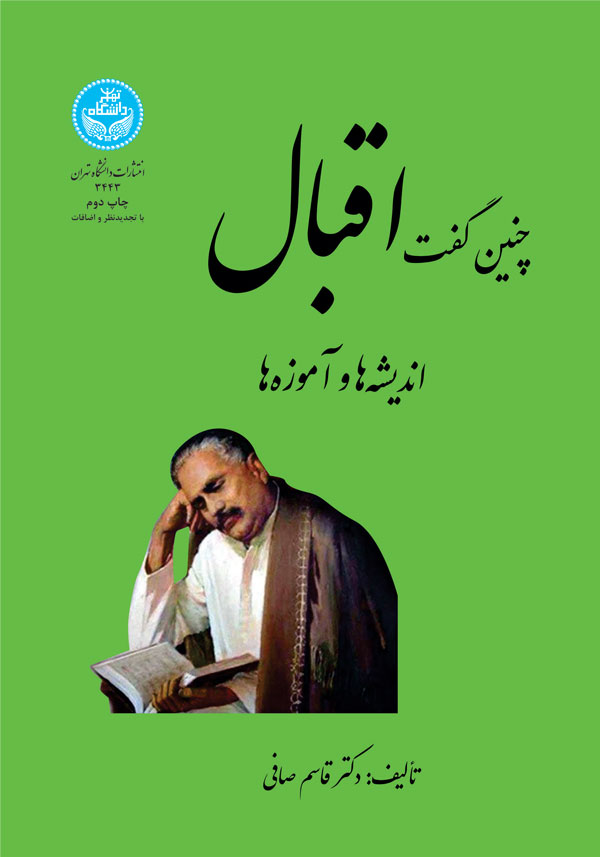
The decision to present the teachings of the great Iqbal — a mystic and progressive poet, a philosopher and a militant thinker, and a defender of human rights — from a different perspective, despite the existence of good books and articles about him, has several main reasons. First, one cannot ignore the fact that in the political and social history of Iran and its neighbors, the recognition and introduction of figures who opposed oppression and were free and aware, as well as the value of their efforts and struggles, have not been thoroughly considered despite their importance in the fate of human life. The way of life and thoughts of these figures, which could be the source of many blessings, examples for others, and pivotal historical moments, have not been taken seriously, and the practical application of their ideas has remained hidden. This lack of attention has led to many wise and virtuous thinkers, who deeply felt the pain and suffering of people and the separation of humanity and shared faith, and who had the vision and plans to create a healthy political and social environment and the people’s aesthetics, being excluded from service during governmental changes and national struggles. Meanwhile, preserving and safeguarding this sanctuary could have laid the groundwork for the development of fighters capable of protecting the futures of nations from foreign oppressors and self-seekers, demolishing the thick walls of prisons holding slaves, captives, and chained lions, and showing pathways out of human afflictions.






Reviews
Clear filtersThere are no reviews yet.