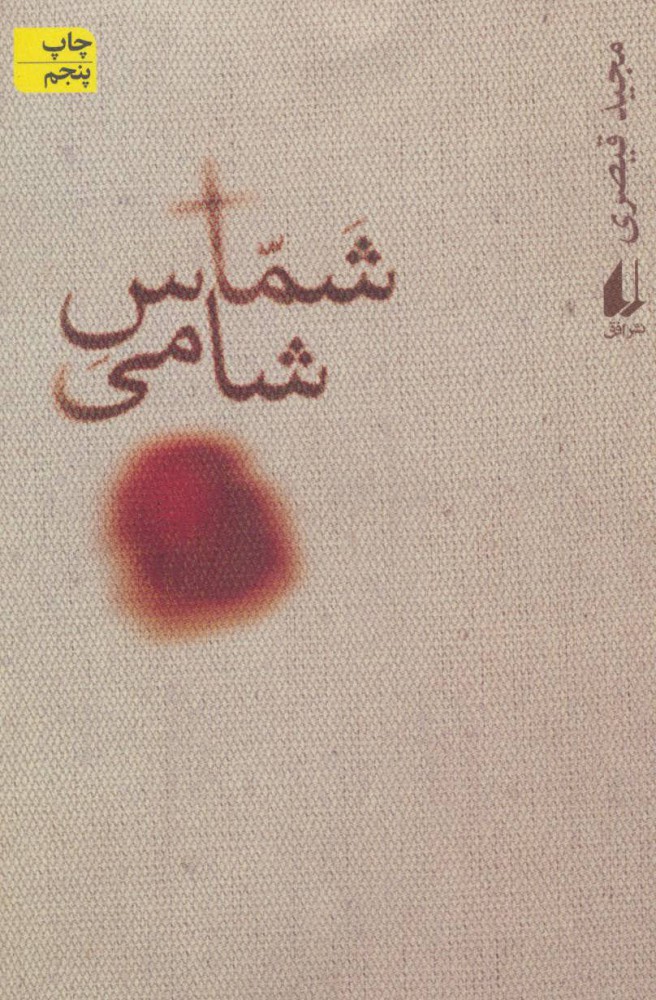
This text is a detailed report that addresses the events following the tragedy of Karbala. The event occurred in the 61st year of the Hijri calendar. The writer of the report was the personal guard or servant of His Excellency Goliath (referred to as Shamas in the text), who was the representative of the Roman Emperor at the time. The recipient of this report was a special envoy (probably an inspector) of Rome, who had traveled to the city of Sham at the time to appoint the new successor to the Roman Emperor. The significance of this report lies in the author’s boldness in addressing the issue of the displacement of ambassadors. The motivation behind writing this report initially appears to be an account of the disappearance of Rome’s representative, His Excellency Goliath (the author of the report, Goliath’s servant, addresses his master with utmost respect throughout). However, the depiction of the events following the tragedy of Karbala and the court of Sham presented in this report is, in its way, remarkable and even unique. Of course, the efforts of the original author who, after years, discovered this report and shared it with others, should not be overlooked. The translator, a Syrian Arab, has provided numerous explanations throughout the original report, which I have incorporated where necessary, while omitting the unnecessary additions to make the text smoother and more coherent to read. However, researchers interested in the original report along with the Arabic translator’s notes can refer to the specialized library of Mesopotamia, where the original book is available. After studying Julius’s report, several questions arise. For instance, how did this report end up in the court of Sham? The Arabic translator of this report has not given us any explanation about this. Even the person who first discovered the report does not inform us of how it came to light; yet, it is expected that the original report, being classified, should have remained in the capital of the Roman State. Moreover, another question that emerges from the essence of the letter is that, according to ancient tradition, such written reports exposing the secrets of palaces and governments should have been destroyed and made inaccessible. So why and how has this report, after all these years, reached us intact? This is one of the mysteries of the report. Has this report ever reached the Roman State? If so, what impact did it have on the relations between Rome and the Umayyads? It would be expected that after this event, the relations between the Roman State and the Umayyads would sour, but history remains silent on this matter. Of course, researchers at the specialized library of Mesopotamia have made some guesses, but most significantly, there is a scent of betrayal that permeates this entire report. Who or which group committed treason and with what motives is linked to the original report itself, which any perceptive reader will discern after reading.






Reviews
Clear filtersThere are no reviews yet.