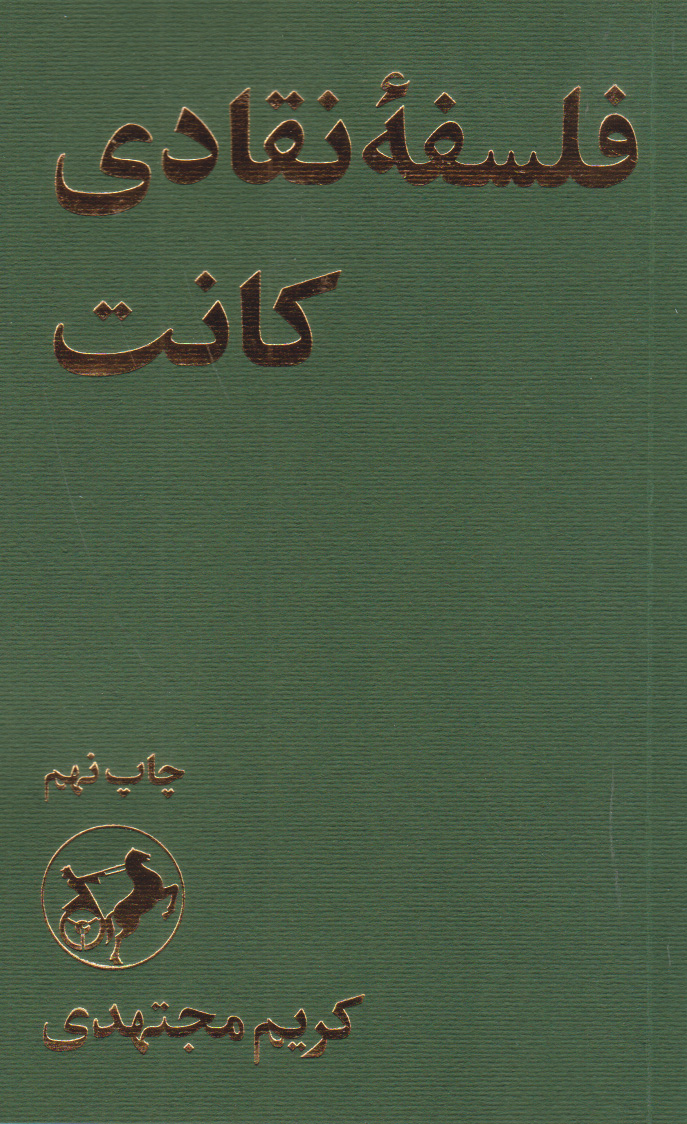
Modern philosophy can arguably be largely attributed to Kant’s philosophy and his critical reason. Although two centuries have passed, the theories of this great philosopher continue to be subjects of interpretation and challenge. One important interpreter of Kant’s ideas is Gilles Deleuze. In his book “The Philosophy of Kantian Critique,” Deleuze provides an interpretation of Kant’s views. The book elaborates on concepts such as “transcendental method” and “critique of pure reason.” It then examines components of Kant’s ideas including “the interaction of faculties in the critique of pure reason,” “the role of imagination,” “faculty in law-making,” “the role of understanding,” “reason as a lawgiver,” “the role of reason in aesthetics,” and “the theory of totality.” Deleuze concludes that faculties are initially defined as general components like cognition, motivation, and feeling, and later recognized as cognitive sources such as imagination, understanding, and reason. Although each faculty is defined in its initial interpretation, as a source that legislates laws and extends its function to other faculties, it participates in the lawmaking process. In other words, understanding legislates laws in the cognitive faculty, and reason in the faculty of motivation. On the other hand, in the critique of imagination, imagination alone does not legislate but facilitates coordination and unity among all faculties. Therefore, Deleuze ultimately concludes that the first two critiques reveal a special relationship between faculties, one of which is determined; and finally, the last critique connects all faculties to free and unconditional harmony to unveil the mystery of any specific relationship. Kant’s theory of faculties implies that faculties, in a general framework, do not connect beyond the scope of particular human alternation.










Reviews
Clear filtersThere are no reviews yet.