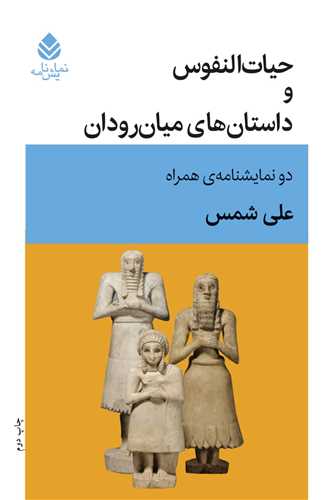
In this introduction, we examine two prominent plays by Ali Shams, “The Life of Souls” and “The Stories of Mesopotamia.” First, we provide a brief overview of each, then analyze their structure, themes, and artistic features, and finally discuss their significance in contemporary Iranian theater. Ali Shams combines poetic language, layered structure, and rich symbolism in both works, leading the audience into a philosophical and social world where characters face identity crises and profound human concepts. “The Life of Souls,” focusing on inner journeys and identity crises, offers a unique perspective on life and death. In contrast, “The Stories of Mesopotamia,” with its complex structure and interconnected independent stories, reconstructs the history and culture of Mesopotamia in a mythical framework, raising fundamental questions about power and memory. Both works demonstrate Ali Shams’ ability to blend classical storytelling with modern and philosophical insights. “The Life of Souls”: This play is divided into three acts, each dedicated to a different life stage (birth, middle age, death). The main character, Leila, encounters different versions of herself in each act, engaging in inner dialogues among young, middle-aged, and elderly Leila. These symbolic conversations depict the human struggle with the passage of time and identity stabilization. Key themes include: – Inner journey and identity crisis: Leila wanders between memories and desires, challenging each version of herself. – Life and death as dialogue: Death is presented not as an end but as a stage for character understanding. – Symbolism of time: Each act features symbols like mirrors, hourglasses, and candles that evoke the passing of time. The language is poetic and dense, with dialogues resembling inner monologues and a musical rhythm. The play combines spiritual realism and surrealism, creating a unique atmosphere through symbolic lighting and background sounds. “The Stories of Mesopotamia”: This play consists of four short stories set in different periods of Mesopotamian history (Sumerian, Akkadian, Babylonian, Assyrian civilizations). Each story features distinct characters confronting fundamental issues such as power, faith, and legitimacy. Overview of each story: – Act One: A Sumerian priest struggling with translating ancient prayers. – Act Two: An Akkadian commander doubting royal orders. – Act Three: A Babylonian family on the brink of their city’s fall. – Act Four: An Assyrian poet striving to capture collective memory in poetry. Common themes include: – Power and legitimacy: Characters face political or religious powers, exploring their impact on individual and social lives. – Memory and historiography: The play addresses the role of narrative in preserving or distorting history, especially in societies facing historical crises. – Myth and reality: The boundary between foundational myths and everyday realities blurs, with myths playing an effective role in interpreting realities and social understanding. The language incorporates adapted words from ancient languages alongside formal Babylonian, and the staging is simple yet rich in cultural symbols. Significance: – Both plays contribute to the development of thoughtful theater in Iran, works that go beyond mere storytelling to address philosophical questions. – “The Stories of Mesopotamia” opens new avenues for dramatic research by mixing history, myth, and personal experience. – “The Life of Souls,” as a successful example of mental theater, with its poetic language inviting introspection, demonstrates how inner crises can become a theatrical experience. Ali Shams showcases his ability to create diverse dramatic worlds through innovative structures, rich language, and deep themes, inviting audiences to an unforgettable theatrical experience. “The Life of Souls” explores identity and the meaning of life, while “The Stories of Mesopotamia” offers a historical-cultural journey to the mythic roots of human civilization. Both works hold a special place in contemporary Iranian dramatic literature.




Reviews
Clear filtersThere are no reviews yet.