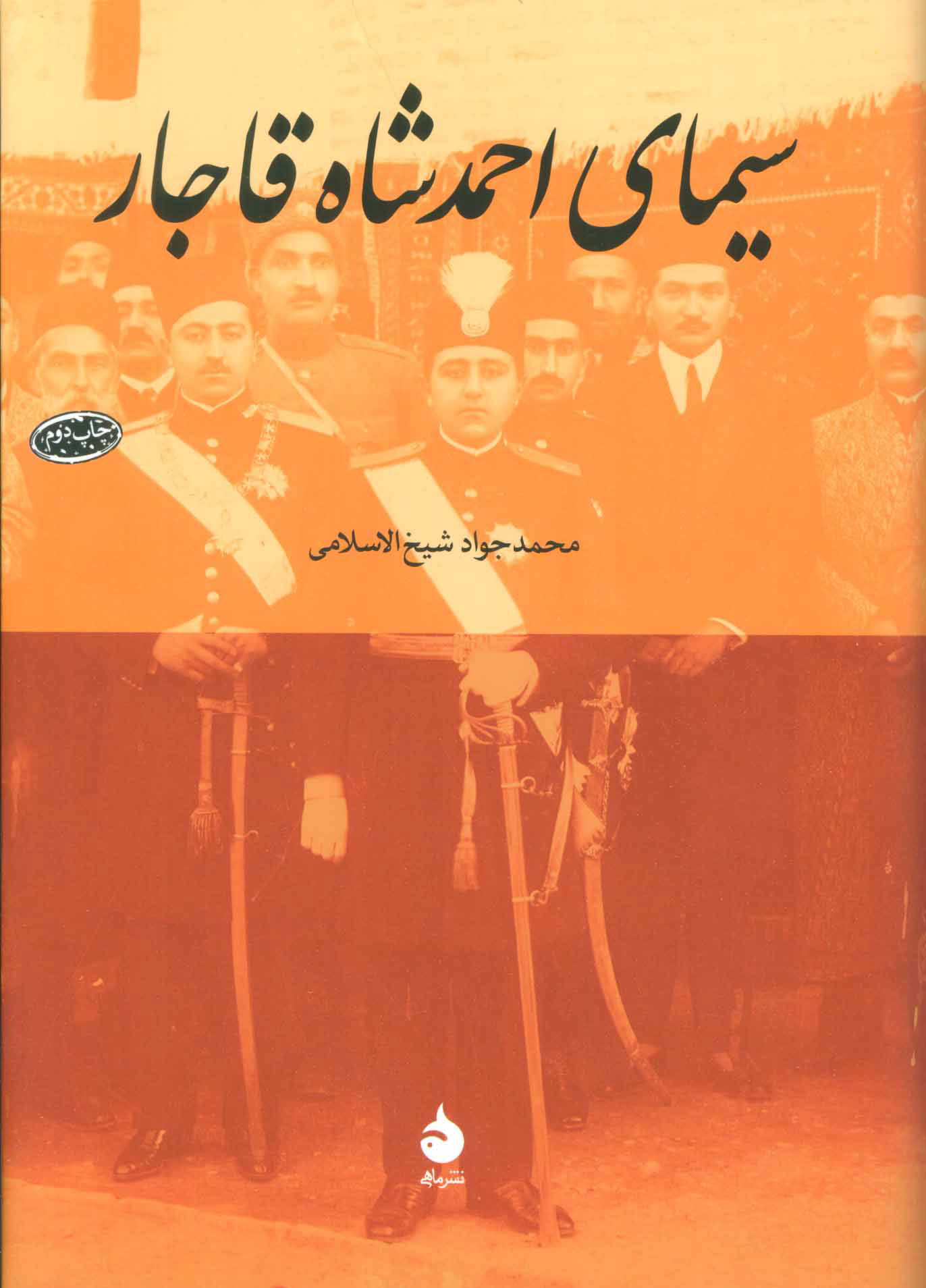
The Qajar kings and their rule should be studied as an important part of Iran’s history. Historians, based on records, continuously attempt to reveal new aspects of a period for anyone interested in learning more about it. Among these works, “The Image of Ahmad Shah Qajar” by Javad Sheikh Al-Islami examines documents and papers from Ahmad Shah’s era. Despite his calm demeanor, Ahmad Shah’s reign was marked by World War I, the Russian Revolution, Russia’s invasion of northern Iran, and the 1919 treaty, all of which complicated his monarchy. Mohammad Ali Shah and Queen Jahan had a son named Ahmad Shah, who was born in Tabriz and ascended to the throne at the age of 12 after Mohammad Ali Shah was deposed. Ahmad Shah died of nephritis in a small village near Paris at the age of 33. Three years before his death, he was deposed, and Reza Shah replaced him in the government. After his deposition, exile, and untimely death abroad, Ahmad Shah became a symbol of victimization in Iranian history, especially because his successor, Reza Shah, despite implementing modernization ideas in the country, repeated the dictatorship of Ahmad Shah’s ancestors but with a stronger military and oppressive apparatus. “The Image of Ahmad Shah Qajar” by Javad Sheikh Al-Islami covers his life from birth until Esfand 1299 AH when the Qajar era ended. The book consists of various sections including Ahmad Shah’s childhood, events between the 1907 and 1919 treaties, Ahmad Shah’s presence abroad, his return from exile, and the collapse of Vossuq al-Dowleh’s government.



Reviews
Clear filtersThere are no reviews yet.