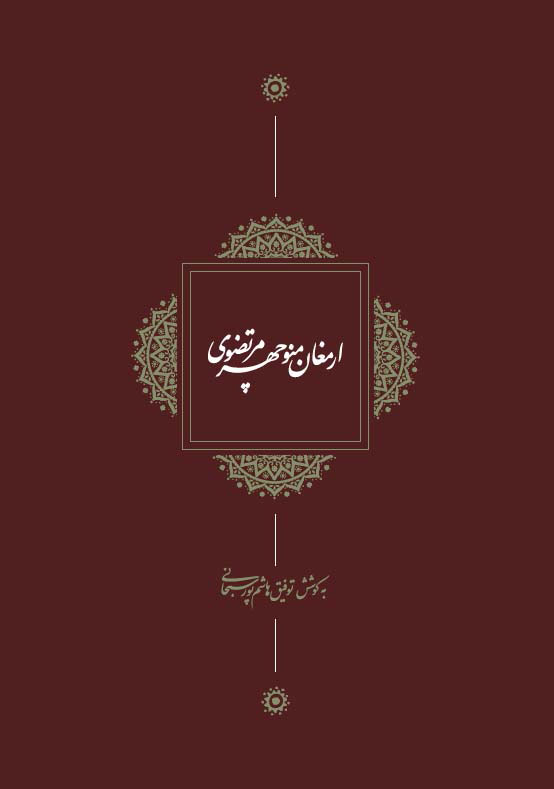
The book is organized into four sections: Biography and Works; Articles Dedicated to the Professor; A Selection of the Professor’s Works and Poems; and Documents and Photographs. This structure creates a relatively comprehensive picture of the academic life and research interests of Professor Dr. Manouchehr Mortazavi in the reader’s mind, which is the purpose of publishing such works. After the introductions, the book begins with a chronological account of the professor’s life from his birth on June 22, 1929, to his death on June 29, 2010. The essay “The Man Who Was a World Himself” by Dr. Tofig Solhadi expands on this chronology with enjoyable and engaging explanations, especially for young scholars. Sajjad Aidanlu highlights one of the late professor’s scholarly interests, research on the Shahnameh; the late Dr. Hassan Ahmadi Givi, after recounting memories of being the professor’s student, discusses Dr. Mortazavi’s book on the Ancient Azerbaijani language. “Issues in the Ilkhanid Era,” one of Dr. Mortazavi’s significant works, is discussed in an article by Nasrollah Emami, analyzing the professor’s perspectives on this historical period. Mr. Khorramshahi publishes two exchanged letters between himself and Professor Mortazavi, explaining the context of their correspondence. Rashid Ayvazi speaks about the professor’s book under the title “The School of Hafez.” Articles by Nader Fattahi Ghazi, Saeedollah Qarabaglu, and Siamak Mokhtari all address scholarly and ethical aspects of Professor Mortazavi. Ms. Masoumeh Maadenkon writes interestingly about the establishment of the Institute of History and Culture of Iran upon the professor’s suggestion and his interest in compiling Iranian history, followed by commentary on the prefaces written by the professor for books published by the institute. Dr. Tofig Solhadi also contributes recollections and discussions of some of Mortazavi’s works. In the section of articles dedicated to Professor Mortazavi, engaging and scholarly papers are found. Dr. Mohammad-Ali Eslami Nodushan discusses the Shahnameh’s influence on later works; Dr. Hassan Anvari writes on the importance of the book “Nisab al-Subyan” and the correction process guided by Professor Mohammad Moein. Dr. Asghar Dadbeh explains the combination of Hafez’s wisdom with Asharism; Ahmad Samiei Gilani contributes a translated French article on action, existence, and value dedicated to the professor. The article “Iranian Beliefs About Wine” by Dr. Shafiei Kadkani discusses this topic with a review of the “Khamari” by Sibak Nishaburi, noted as unique in dealing with this subject. “Iranian Studies in Correspondence between Henning and Taghizadeh,” a book published in California revealing part of the history of Iranology in Europe, is reviewed by Dr. Majdeddin Keyvani. Dr. Mohammad-Ali Mohahed’s scholarly and researched article on the Yasa of Genghis Khan and its effects, and thereafter Dr. Ahmad Mahdavi Damghani’s scientific article about verses from Hafez, especially the line “Your greeting has conveyed me to happiness,” conclude this section. The third section is devoted to a selection of Professor Mortazavi’s works and poems, including research articles such as “Analysis of the Foundations of Iranian Nationality and the Role of Azerbaijan” and “Knowledge and University in Azerbaijan,” which all Iranians, particularly Azerbaijani compatriots, should read to understand the viewpoints of one of the most cultured Azerbaijani scholars. Ultimately, the publication of this work not only commemorates the unparalleled position of the late Professor Manouchehr Mortazavi but also demonstrates that the survival of the language, literature, and culture of this divine land throughout history, despite terrifying invasions, has been due to the existence of Iranians like Professor Manouchehr Mortazavi and will continue to be.




Reviews
Clear filtersThere are no reviews yet.