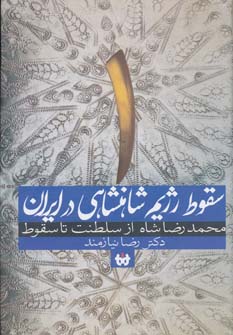
The fall of the Shah and the monarchy regime will undoubtedly remain a significant and noteworthy event in world history for all historical analysts. The Shah was struck from three perspectives—cultural, political, and economic—that led to his downfall. Culturally, his and his system’s neglect of religious beliefs was a major factor in the collapse. The Shah and his system often ignored the people’s religious struggles. The Shahs’ belief in religious values was never seriously regarded by the people throughout history. However, confrontation with people’s religious beliefs always caused sensitivity. Economically, rising oil prices caused unbalanced and uneven development within society, preventing oil revenues from reaching the needy social layers. The lower-middle class’s lack of belief in the proper use of oil resources and widespread corruption among the royal court and high-ranking officials of the monarchy regime meant that even the astonishing oil revenues weakened the system rather than strengthening it, fueling more public hatred of the Shah’s regime. This unexpected wealth, combined with the Shah’s lack of understanding and belief in the people, caused him to lose the lower-middle class and fall into terrible delusions, evident in his interviews during the final years of his reign. This regime, which fell a few years later, considered itself a great world power, even seeing Europe as economically subordinate. The Shah failed to realize that cultural, political, especially political independence, and economic issues are interconnected; neglect of any could topple a regime as large and powerful as the Shah’s.







Reviews
Clear filtersThere are no reviews yet.