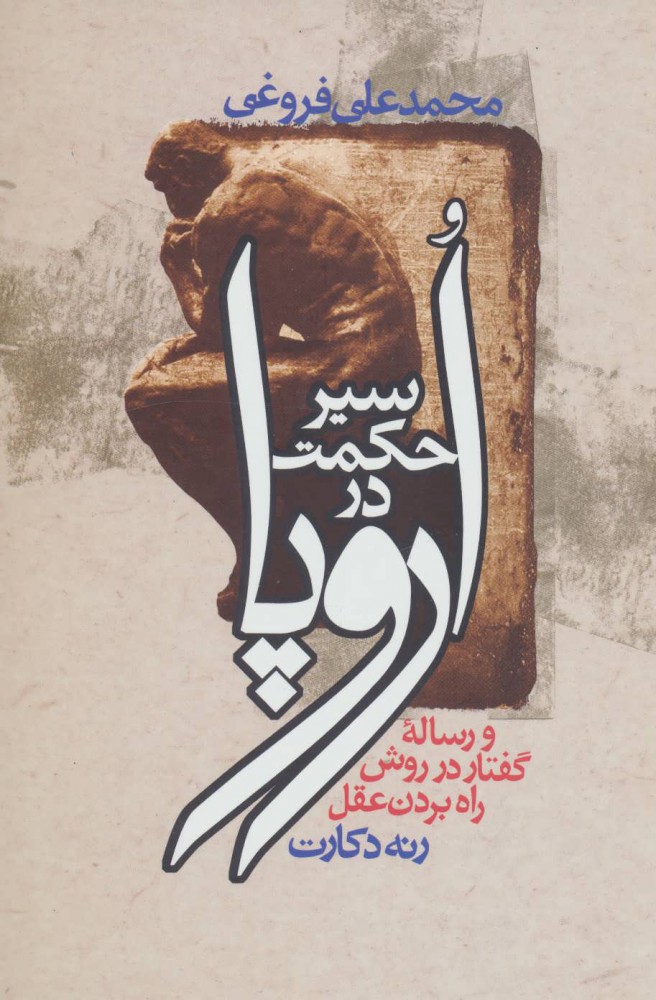
Mohammad Ali Foroughi was born in 1256 (solar calendar). He held significant positions and even served as Prime Minister for a brief period. Foroughi was a pioneer in introducing modern science and Western philosophy to Iranians. Some of the first translations of physics, medicine, and astronomy are his works, which are regarded as the first Iranian academic textbooks. “The Course of Wisdom in Europe” is a book about the history of European thought and is one of the sources of contemporary Iranian studies on the West. In his book, Foroughi also touched upon the differences between wisdom (hikmat) and philosophy, distinguishing between the two. For instance, he considered philosophy to encompass any kind of inquiry into the matters of the world, while wisdom, he explained, defines issues and includes branches such as anthropology, epistemology, and moral philosophy. According to the author, “The Course of Wisdom in Europe” is not merely a translation but a book written in alignment with the understanding and awareness of Iranians of that time. Unfortunately, in our country, Foroughi is predominantly known as a translator. The book comprises three volumes. The first volume analyzes the history of philosophy from antiquity to the 17th century AD. The second volume covers the timeline from the 17th century to the late 18th century, and the third volume examines Western philosophy starting from the 19th century up to the present era. After reading these three volumes, the reader gains a new perspective and understanding of the West, realizing that the progress of Western societies lies not in power and weaponry but in their innovative way of thinking.




Reviews
Clear filtersThere are no reviews yet.