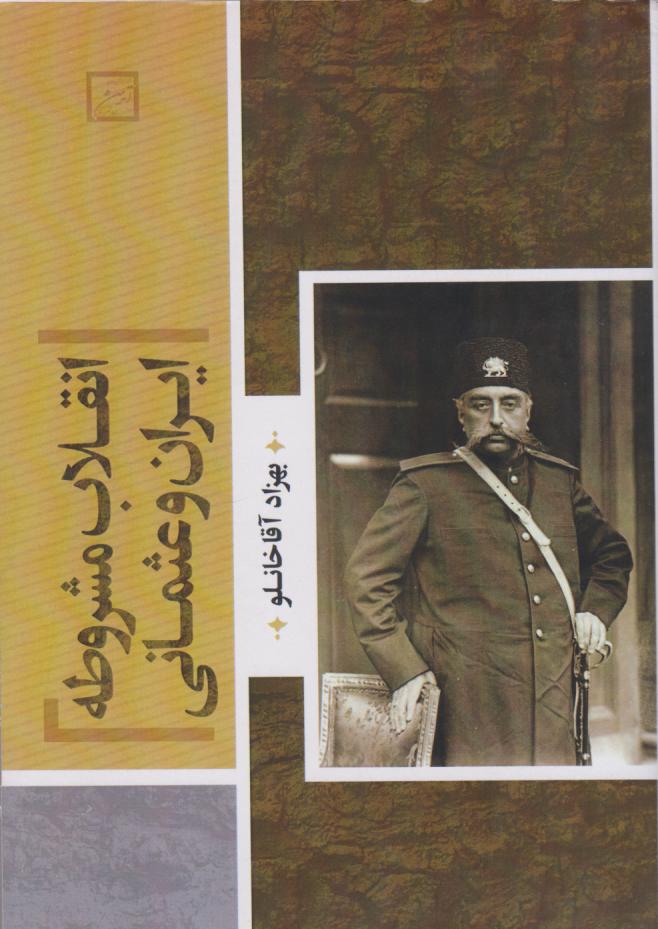
The book “The Constitutional Revolution of Iran and the Ottoman Empire” by Behzad Aghakhanlou offers a comprehensive and comparative look at two constitutionalist revolutions in the region. In this research work, the author utilizes archival sources, primary texts, and historical documents to examine the political, social, and cultural developments during the Qajar era in Iran and the establishment of constitutional monarchy in the Ottoman Empire from various perspectives. The main goal of the book is to clarify the factors that led to these transformations and to explore how the mutual influence of modern European ideas and indigenous developments shaped constitutionalist concepts in both countries. At the beginning, Aghakhanlou explains the historical and intellectual context before the outbreak of the Constitutional Revolution. In Iran, economic crises, administrative corruption, and the weakness of the absolute Qajar government were accompanied by public discontent, and intellectuals and political elites conveyed a message of change and transformation. On the other hand, in the Ottoman Empire, military and economic pressures and monopolistic ruling forces prepared the political atmosphere for demands for deep reforms. The author compares the political and social conditions of both countries, highlighting fundamental similarities between the two revolutions as well as differences arising from their structures and indigenous backgrounds. Additionally, Aghakhanlou demonstrates how the introduction of modern civil ideas, human rights, and democracy from Europe, especially through translations of philosophical and political texts, influenced the thoughts and ideas of elites in Iran and the Ottoman Empire. In Iran, intellectuals like Seyyed Mozaffar al-Din Tusi and cultural elites conveyed a new concept of rule of law and popular representation to society. In the Ottoman Empire, reformist movements and contemporary European thoughts led to a new inclination toward constitutionalism that ultimately challenged structural weaknesses and old corruption. At the core of the book is a detailed investigation of the formation of constitutional institutions and the organization of political activities in both countries. The author explains how public assemblies, major demonstrations, and political gatherings acted as bridges for transmitting modern ideas through the public arena. Finally, the author analyzes the long-term consequences of the Constitutional Revolution in both countries.





Reviews
Clear filtersThere are no reviews yet.