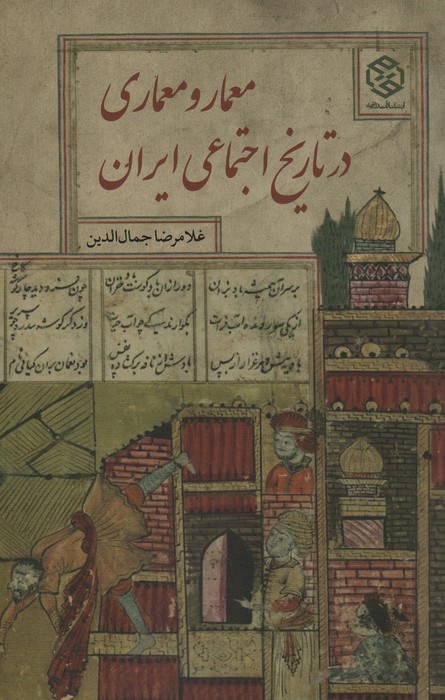
The book “The Architect and Architecture in the Social History of Iran” by Gholamreza Jamaluddin is an analysis of some untold and underemphasized aspects concerning the status of the “architect” and “architecture” in Iran during the Islamic period. This book, adopting an approach based on social history, attempts to explore the social position of architect-engineers and the dignity of architecture in this era through historical texts and sources. The book is organized into four discourses. The first discourse is devoted to “the social status and dignity of the architect-engineer.” Historical texts mention a wide range of titles such as architect, engineer, builder, and master craftsman, but this book addresses questions regarding the actual share and role of each group in shaping an architectural work and their powers and limitations. This section also discusses the role of patrons, founders, and governmental supervisors like the “Muhtasib,” who oversaw the work of architects, as well as architectural and urban planning laws. The examination of several prominent architects such as Ghavam al-Din Shirazi concludes this discourse. The second discourse examines the “architecture in the social history of Iran” and the significance of construction and development for a government. This section emphasizes architectural components in the historiography of Islamic historians and what elements historians focused on when describing architectural works. It also reviews “city chronicles” and the topic of “lost buildings” in history. The third discourse addresses the “social structure of the Sufis” and its impact on architecture. Based on mystical texts, it explores khanqah architecture, the status of shrines and pilgrimage, and their social functions. Additionally, “Futuwwat-namas” and “Shahrashubs” are analyzed as documents shedding light on other aspects of the status of past creators. The final discourse is devoted to a lesser-explored topic, namely “female patrons and supporters in the field of architecture.” This section looks at women’s entry into this domain and their active roles in financial and spiritual support of architectural works. In summary, this book, with a novel perspective grounded in social history, contributes to a better understanding of the process of architectural creation in Islamic-era Iran and the status of its creators.






Reviews
Clear filtersThere are no reviews yet.