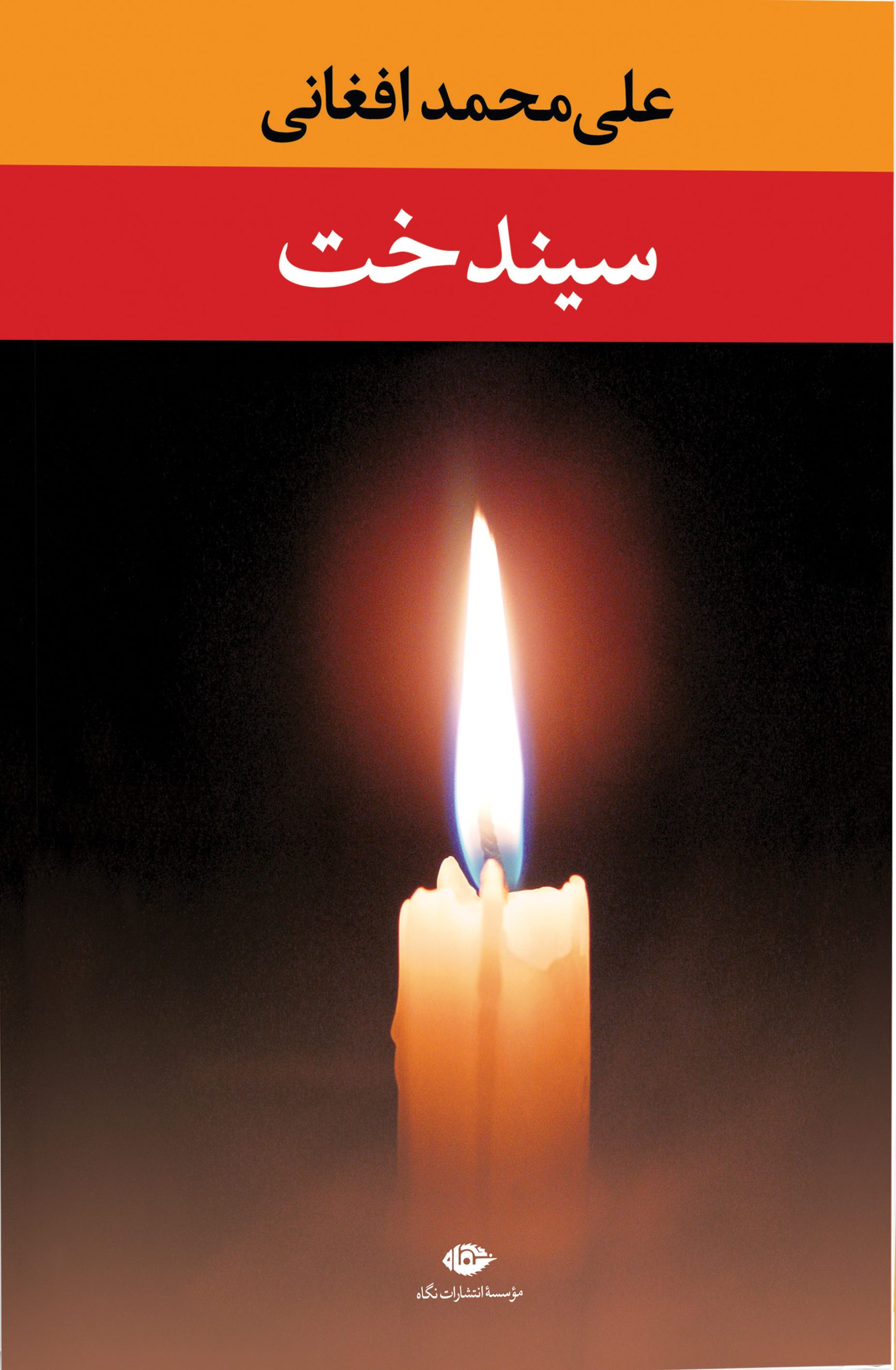
The book “Sindokht” by Ali Mohammad Afghani is a social novel that, with a linear and precise narrative, deals with women’s issues, emotional relationships, and class situations in Iran. The story takes place in the mid-20th century in the city of Ahvaz. Sindokht, the main character of the story, is a young, educated woman who works in a factory and faces a marriage proposal from the factory manager. In response to this proposal, she writes a lengthy letter recounting her past—a past filled with family wounds, social pressures, and bitter experiences. A major part of the novel consists of the content of this letter, in which Sindokht writes about her childhood, the problems following her mother’s divorce, the presence of her stepmother, poverty, labor, harrowing experiences, and her struggle to maintain her independence. Through this narrative, the reader becomes familiar with the living conditions of women from the middle and lower classes of society in that period of Iran. Situations where women are forced to either cope with societal limitations and the judgments of those around them or resist them. In this novel, Afghani pays great attention to the psychological and mental details of the characters. Sindokht is neither merely a victim nor a symbol of complete resistance; rather, she is a realistic character with intellectual and emotional contradictions. The narrative progresses by focusing on her inner conflicts and, instead of emphasizing external events, analyzes human, moral, and social situations. Power dynamics, social judgment, economic class, and cultural values are all examined through the lens of this character’s life experiences. The central theme of the novel prominently addresses the status of women in a patriarchal society, traditional constraints, and the possibility of individual choices under such conditions. “Sindokht,” alongside Afghani’s other works, provides a literary depiction of contemporary Iranian society—a society in transition, with complex human relationships and structures that are slow to change.








Reviews
Clear filtersThere are no reviews yet.