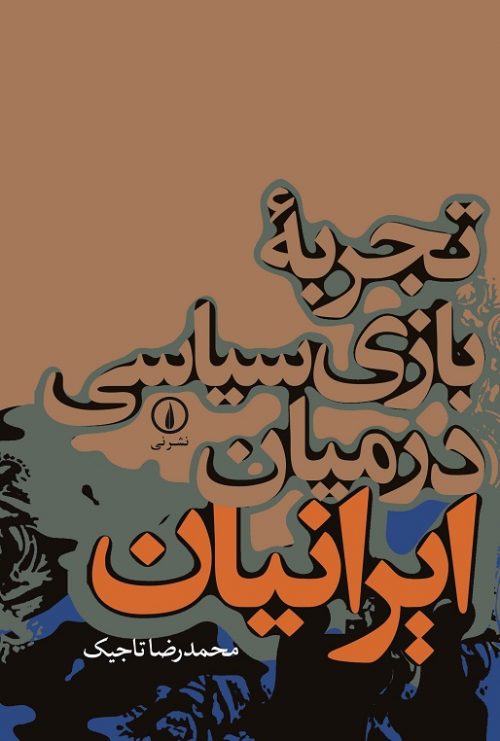
Political competitions in today’s Iran suffer from an excessive and abnormal form of “politicization.” Political actors and competitors are neither inclined to regulate their behavior nor willing to define a “common political game geography,” “red lines,” or “orange lines,” nor do they accept recognizing each other, whether de jure or de facto. In such conditions, long-standing questions emerge: Does Iranian society inherently possess the capacity to embrace “healthy and regulated political competition?” Does our political culture carry the nuances and norms required for peaceful partisan competition? Has the blending of “politics” and “ideology” in this land replaced “rationality” with blockage and nervousness in political actions and reactions? Does the dominant public culture—characterized by legal avoidance, authoritarianism, individualism, discourse-centricity, insider-outsider distinctions, sanctity focus, and division resistance—manifest itself concretely in separatist, hostile, and factional political competitions? To what extent has the confusion over the rules governing political games among our collective political actors contributed to the disorientation of democratic political behavior in Iranian society? How ready has the social, political, and cultural environment of our society been to seriously address concepts like “partisanship,” “political plurality,” and “political competition?” In other words, have there been historically organized actions beyond political discourse organizations in our century-old society that have given meaning and serious status to political discourses? Fundamentally, can the Iranian spirit and political culture tolerate structured and party-based actions (serious political engagement)? And finally, in this historical transitional phase, what should be done and what should be avoided?




Reviews
Clear filtersThere are no reviews yet.