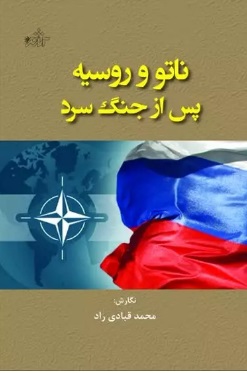
The history of international relations is influenced by developments and events that over time cause fundamental changes in its course and continuity. Among these, the role and influence of Russia in the transformations of international relations in recent centuries is significant. Furthermore, Russia has been one of the stable power poles at regional and global levels in recent centuries. According to many experts on Russian affairs and global policies, this position is due to two factors: first, its territorial location, situated at the heart of a vast region called Eurasia, controlling and dominating this extensive geographical area; second, the leaders who have ruled this land in contemporary centuries and have consistently pursued a similar strategy in interacting with the outside world, namely the elevation and consolidation of this country’s superpower status globally. World War II, which lasted about five years, not only pitted Europe but many parts of the eastern and western worlds against each other. Regardless of its causes and roots, the war had distinctive characteristics. It was the second unplanned alliance across the Atlantic against authoritarianism in their history, the first occurring during World War I. From beginning to end, the world witnessed the formation of two alliances: Initially between Germany (Nazism), Italy (Fascism), and the Soviet Union (Communism), which at the start saw communism join the liberal world camp (including England and France) after Nazi aggression. World War II caused over 60 percent destruction of many key industrial cities in Europe, ending centuries of European dominance and perspectives over international relations, marking the end of exclusively European international relations. For the first time, one of the most destructive weapons in human history was employed in this war and ironically served to finally end the five years of conflict and bloodshed. Besides developments during the war, the post-war changes are also of high importance for the study of international relations. The interplay of “war technology” and “political ideology,” along with one of the most prominent consequences of World War II—the “exit of the United States from political isolation” after over a century—led to the creation of a new international system with new characteristics.





Reviews
Clear filtersThere are no reviews yet.