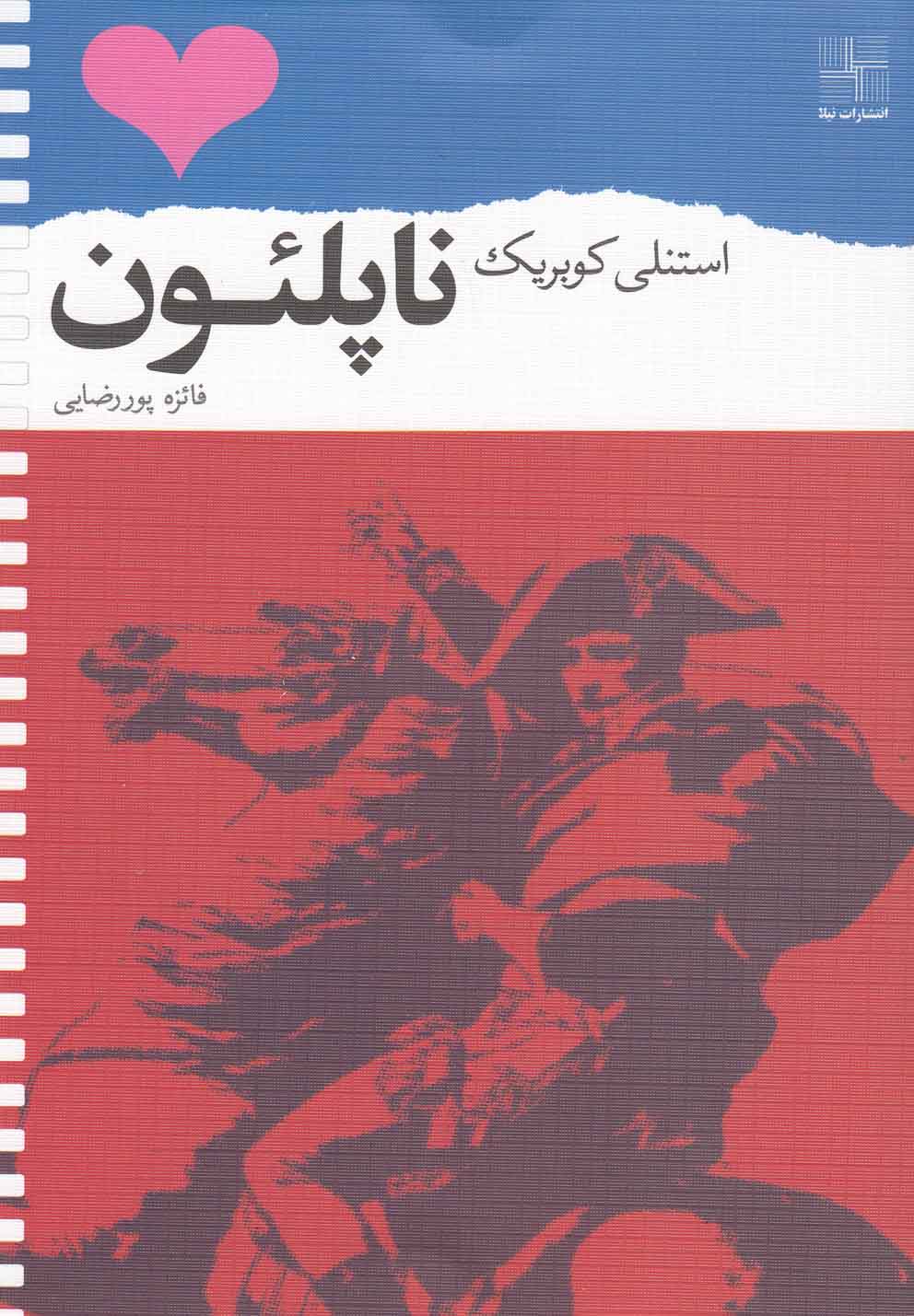
The book “Napoleon” is an unfinished and outstanding screenplay written by Stanley Kubrick, the American perfectionist director (1928-1999). Kubrick, famous for his meticulous attention to detail and artistic mastery in cinema, decided to undertake a grand project about the life of Napoleon Bonaparte after the worldwide success of “2001: A Space Odyssey.” He conducted extensive research on Napoleon’s era for over two years, collecting thousands of historical photos and slides, and wrote a detailed screenplay that depicted Napoleon’s life and character from childhood to the conquest of Europe. Despite the scope and accuracy of this research, the project was halted due to exorbitant costs and a changing market perspective on epic works, and the screenplay was published as a readable book. The subject of the book is the life of Napoleon Bonaparte and the key events of his era. The narrative begins on August 15, 1769, with Napoleon’s birth in Ajaccio on the island of Corsica and portrays his childhood in a family with a kind but strict mother named Letizia. The story continues with his enrollment at the Brienne military school in France at the age of nine and depicts years of intense military training and the formation of his strategic and ambitious character. Kubrick describes the major battles of the French Revolution and Napoleon’s empire in a cinematic, detailed, and vivid style, even meticulously designing large battle scenes with thousands of extras and precise military tactics. Kubrick’s writing style in “Napoleon” combines dramatic language, cinematic imagination, and historical fidelity. He skillfully depicts scenes so that the reader feels placed at the heart of historical events and the peak emotions of the characters. The screenplay is as faithful to history as it is poetic and cinematic, allowing the reader to recognize Napoleon not only as a military commander but as a human being with specific traits, motivations, and weaknesses. The main themes of the work include power and ambition, the impact of upbringing and environment on character formation, leadership, and the ethical consequences of historical decisions. Kubrick carefully explores Napoleon’s personal relationships, his interactions with family, military companions, and political opponents, portraying the balance between his private life and public challenges. This detailed and multi-layered perspective elevates the book beyond a mere historical narrative or biography to an engaging experience for enthusiasts of cinema and history. Overall, Kubrick’s “Napoleon” bridges cinema and history. Studying this book is not only fascinating for fans of Napoleon and 19th-century history but also offers a rare opportunity for cinema lovers to become acquainted with the unfinished masterpiece of a great director. Kubrick’s compelling, vivid, and precise narrative of Napoleon’s life makes the book a readable and striking work; one that provides a historical experience and serves as an unparalleled example of cinematic prose and the mental visualization of a perfectionist director.




Reviews
Clear filtersThere are no reviews yet.