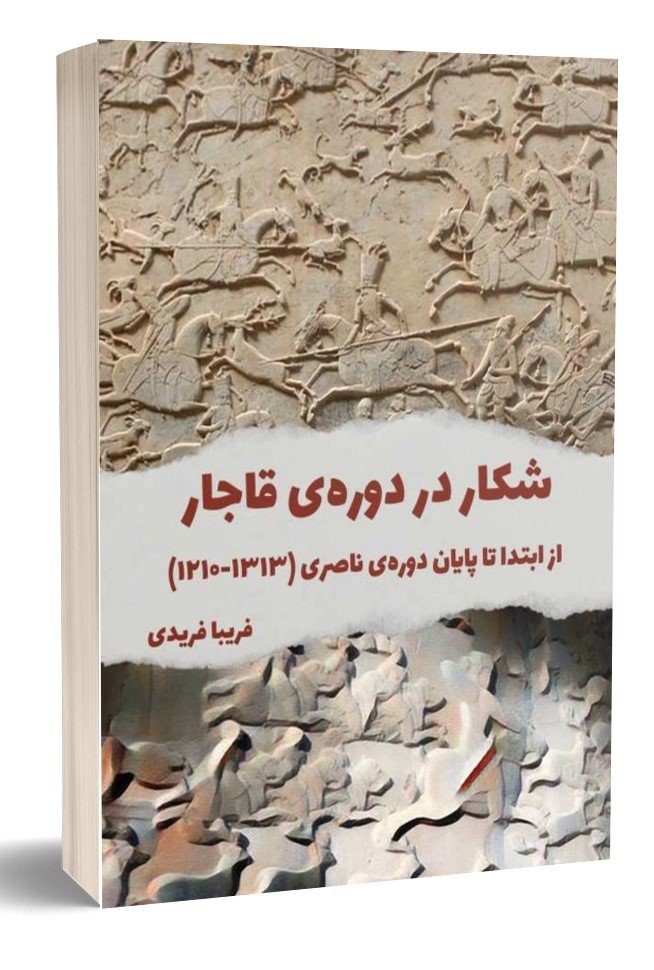
Hunting is a subject that has been closely linked to humans since the dawn of history and has served as one of the primary means to meet basic human needs from the earliest times. Over time, with the formation of communities and human settlements, hunting also underwent various transformations and changes. The class-based nature of hunting is one such transformation, indicating different meanings of hunting between kings, princes, courtiers, and ordinary people. From the moment kings decided to go hunting until their return and beyond, hunting was part of the rituals and ceremonies unique to kings and their affiliates. Meanwhile, ordinary people hunted for livelihood and feeding their families using basic or handmade tools. This book examines the phenomenon of hunting from multiple perspectives during the Qajar era. The Qajar dynasty, beginning with Agha Mohammad Khan, besides preserving earlier court traditions and ceremonies, also introduced innovations. Early Qajar kings, especially Fath-Ali Shah and Naser al-Din Shah, showed great interest in hunting, as confirmed by primary historical sources, Naser al-Din Shah’s own accounts, and court historians. For these two kings, hunting was one of their priorities and even a means to escape state responsibilities. Establishing hunting grounds and building hunting palaces, related paintings and inscriptions all took place during their reigns—examples include hunting grounds such as Firouzabad Palace, Doshan Tappeh Palace, Shahr-e Shanak Palace, and inscriptions in Tang-e Vashi and similar sites. Hunting had significant effects on the Qajar-era society’s economy. Constructing roads leading to hunting grounds, ensuring security along these roads, and the subsequent prosperity of cities and villages near these hunting sites are notable aspects. Furthermore, the climate and geographical conditions played important roles in shaping these hunting areas. However, it must also be remembered that the hunting practices of the Qajar kings had destructive consequences, including damage to nature and wildlife species, as well as oppression of villagers living near hunting grounds by courtiers and military forces.








Reviews
Clear filtersThere are no reviews yet.