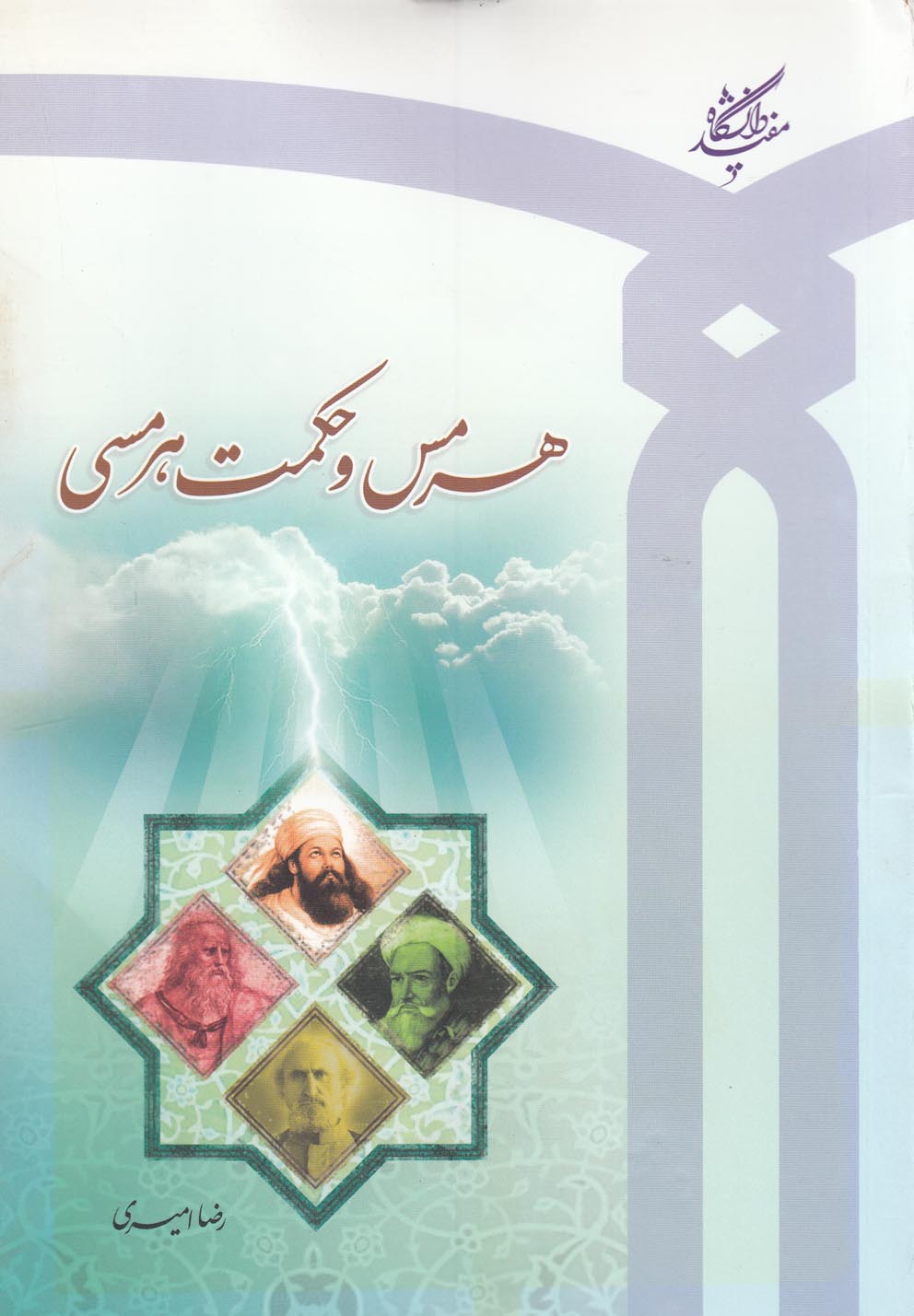
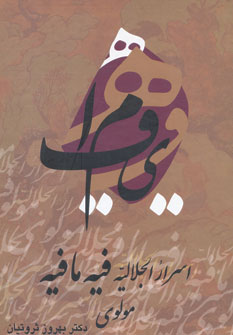
This writing is an effort to provide a different perspective on the history of thought and philosophy, presenting the simultaneity of human creation and the emergence of thought and expression. It moves away from confining civilization to a specific era or nation, and introduces the missing links of Greek philosophy and its antecedents. The hypothesis of this research is that the origin of wisdom and culture lies in the East, raising the questions: Is ancient Greek civilization and philosophy original? Did civilization and wisdom exist in the East? Although the prevalent view is that civilization and philosophy began in Greece with Thales, this work supports the view of Sheikh Ishraq who considers prophecy and Hermes as the source of wisdom. Many Western scholars, through archaeological evidence and new findings, have also questioned the originality of Greek philosophy. Hermes in Greece, Tat in Egypt, Enoch in the Bible, Houshang in Iranian texts, and Prophet Idris in Islamic texts overlap and represent a figure with similar identity and functions. Hermes, a descendant of Seth son of Adam, was the second prophet after the two first ones. He founded many sciences such as writing, medicine, alchemy, astronomy, governance, and wisdom. For this reason, in Greece he is called Trismegistus and in Islamic sources “the triad in wisdom.” Hermetic works, written in most major ancient languages, have always influenced Eastern and Western intellectual currents, and in the early centuries of Christianity, they formed a Hermetic school. The Hermetic tradition continued in ancient East and West and today traditionalists in the West and Illuminationist philosophy in the East consider their thought Hermetic and prophetic. This book also addresses the works and ideas of the Hermetic current in epistemology, cosmology, and anthropology. Finally, I express my gratitude to those who taught me and guided my scientific and spiritual life: all the professors who generously shared their lifetime knowledge in academic settings, Mr. Hossein Ali Rahmati who encouraged, studied, and assisted this work as a former philosophy expert at the research department, Dr. Naser Ghorbannia, former vice chancellor of research at Mofid University, and the reviewers of this writing. Appreciation also goes to Dr. Mohammad Naqi Nazarpoor, respected vice chancellor of research, and the publishing manager, my dear friend Mr. Mohsen Abolfathi, along with his respected colleagues Mr. Mehdi Pashazadeh and Mr. Majid Nasimi who endured the burdens of preparation, typing, and other executive tasks. I am grateful to my wife for assisting in revising the text and preparing it, and with my children for creating the peaceful home necessary for research. Lastly, I remember my father who passed away during the drafting of this work, and I ask you to pray for him.




Reviews
Clear filtersThere are no reviews yet.