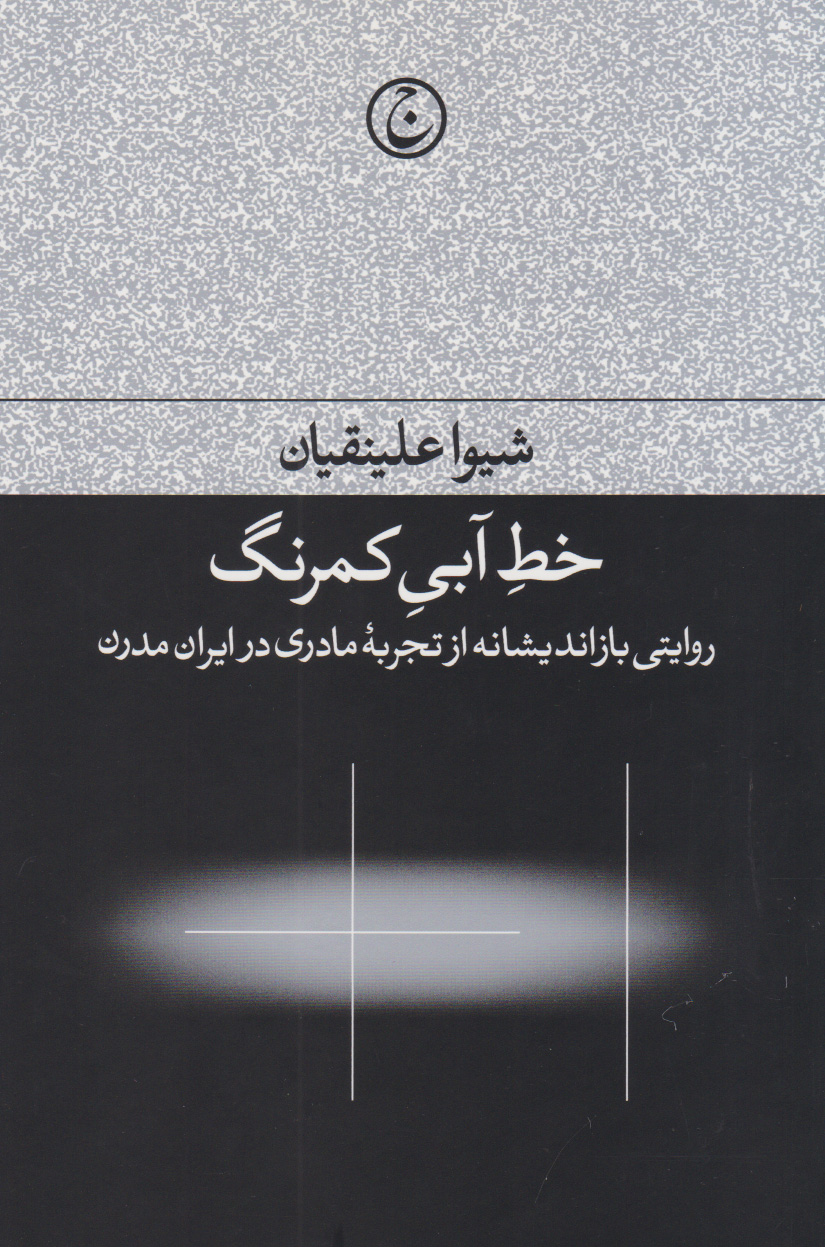
This book is an anthropological narrative of the experience of motherhood, written in an autoethnographic style. In autoethnography, the author begins with her lived experience and uses it as a lens to view the surrounding world. In this book, the experience of motherhood serves as a means to explore the broader phenomena of motherhood and gender relations. How can we, through this experience, examine class, ethnicity, and gender structures? The book by Alinaghian aims to answer this question. The most important theoretical concepts on this topic are presented in an essayistic and narrative manner, making the book accessible not only to social science specialists. Although this work is a personal and limited experience, it attempts to show that “mothering” is an experience embedded in history. The author seeks to provide a realistic portrayal of maternal life, grounded and free from myths and conventional idealizations, and beyond ideological frameworks that define motherhood mostly from a male perspective. Redefining the role of motherhood, this contemporary author’s account of motherhood with all its fears and hopes, and its connection to identity issues, are among the compelling themes of this book. Faint Blue Line also strives to be an extension of a branch of knowledge known in Western academia as “motherhood studies.”




Reviews
Clear filtersThere are no reviews yet.