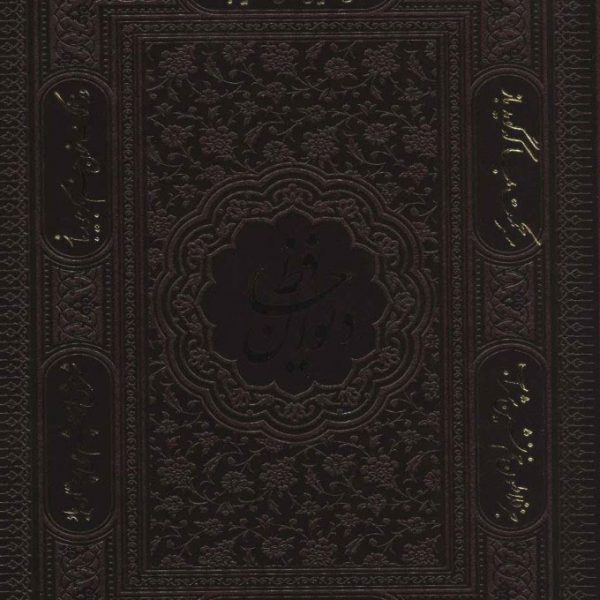
Lisān al-Ghayb Some refer to Hafez as “Lisān al-Ghayb,” meaning someone who speaks of the unseen. However, based on one of his verses, Hafez himself believed that no one is the tongue of the unseen: One of the poetic devices is ambiguity, meaning that a single word can bear different interpretations. Ambiguity has been extensively used in Hafez’s poetry. Another important feature of Hafez’s poetry is the diversity of topics mentioned within a single ghazal. In such a way, in one ghazal, he speaks about numerous subjects. Moreover, each verse of Hafez’s poetry is independently interpretable. These characteristics of Hafez’s poetry have led to a phenomenon wherein anyone—no matter their intention—might open the Divan of Hafez, read a ghazal, and find a word or sentence related to their intent, thinking that Hafez has perceived their intention and responded to it. Little do they realize it is the feature of Hafez’s poetry, and similar applicable words or phrases matching the seeker’s intention exist across his other ghazals as well. The word “fāl” (omen) means fortune, destiny, as well as divination and predicting outcomes. It is an Arabic term, and in Persian, it means an omen, whether good or bad. To take an omen means seeking information about unknowns. In Arabic, taking a good omen is referred to as “tafa’ul,” while a bad omen is called “tīrah.” In Persian, a good omen is expressed as “marvā” and a bad one as “margvā,” which are derived from the words “morgh” (bird) and “āwā” (sound). Iranians have traditionally interpreted omens using bird movements and sounds; for example, spotting an eagle indicated punishment, while observing a hoopoe signified guidance. According to ancient Iranian customs, during national or religious holidays such as Nowruz or on Shab-e Yalda, Iranians take omens using Hafez’s book. For this practice, a respected elder in the family or someone who can recite poetry well—or someone believed to be adept at taking omens—first makes an intention, meaning they silently wish for something. They then randomly open a page of Hafez’s Divan and begin reading aloud. Those with religious beliefs might recite Fatiha before seeking the omen, kiss Hafez’s book, and then open it with remembered prayers, reading their omen aloud.








Reviews
Clear filtersThere are no reviews yet.