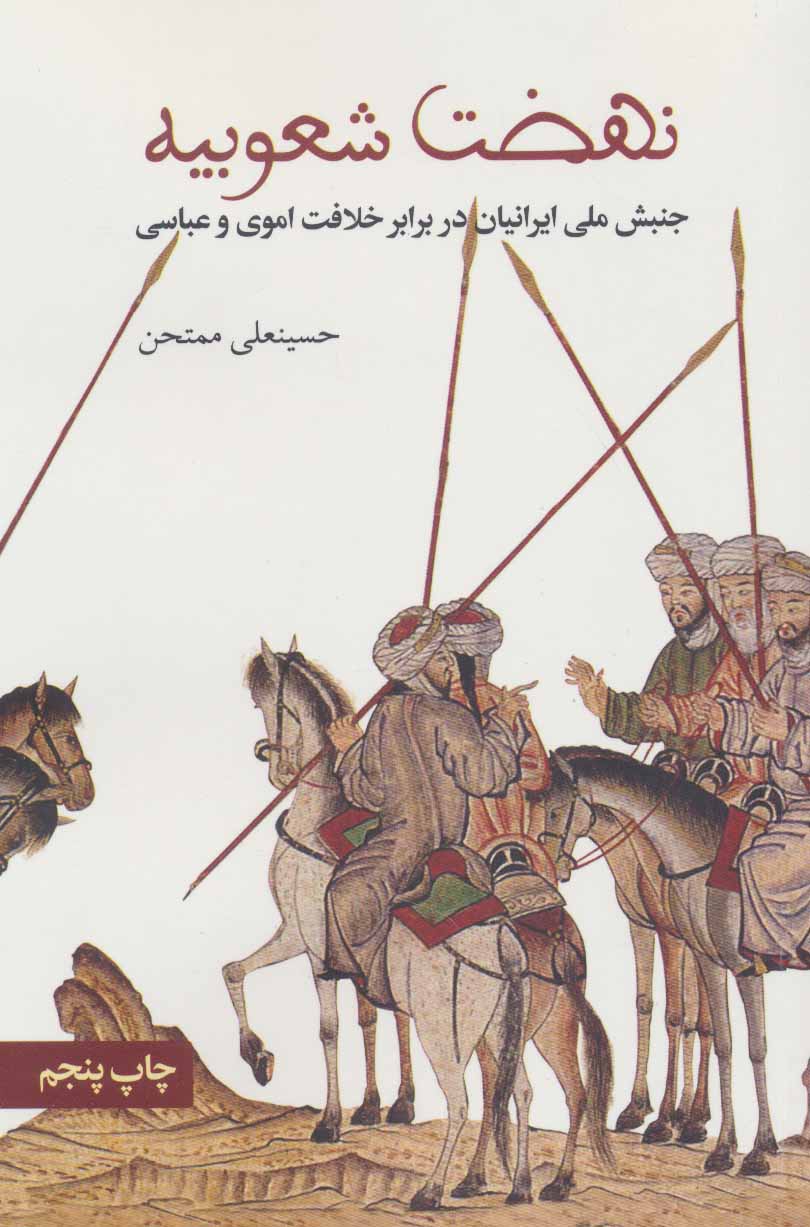
The Shu’ubiyya Movement or “The Iranian National Movement Against the Umayyad and Abbasid Caliphates” is a work by Hossein Ali Momtahen that examines this historical movement in twenty-one chapters. The first chapter looks at the natural conditions of Arabia, while the following chapter studies the social conditions, beliefs, and customs of Jahiliyyah Arabs, from Bedouins to city dwellers. Islam and its fundamentals are explored in the third chapter, where the author discusses the Holy Quran and its status, Islamic teachings and ethics, the pursuit of knowledge, and writing in Islam. Islam took the initial steps to transform the Jahili Arabs, which faced conflicts and struggles discussed in chapters four and five of the book. As Islam expanded, Muslim conquests grew, deeply affecting financial markets and social classes. Issues such as slavery, the emergence and classes of mawali, Arab prejudice against them, and the mawali movement during the Umayyad and Abbasid periods form key parts of the book, covering chapters six to twelve. From chapter thirteen, the term Shu’ubiyya is introduced, along with its etymology, usage, and various views and opinions. The origins of this movement are detailed, highlighting figures of the Shu’ubiyya, including poets, authors, and their opponents, alongside their works. Additionally, Shu’ubiyya’s resistance to Arabs in fabricating stories and news, their influence on notable Persian-speaking orators, and their political and social impact are discussed. Hossein Ali Momtahen elaborates on the role of the “Iranian National Movement Against the Umayyad and Abbasid Caliphates” in detail.





Reviews
Clear filtersThere are no reviews yet.