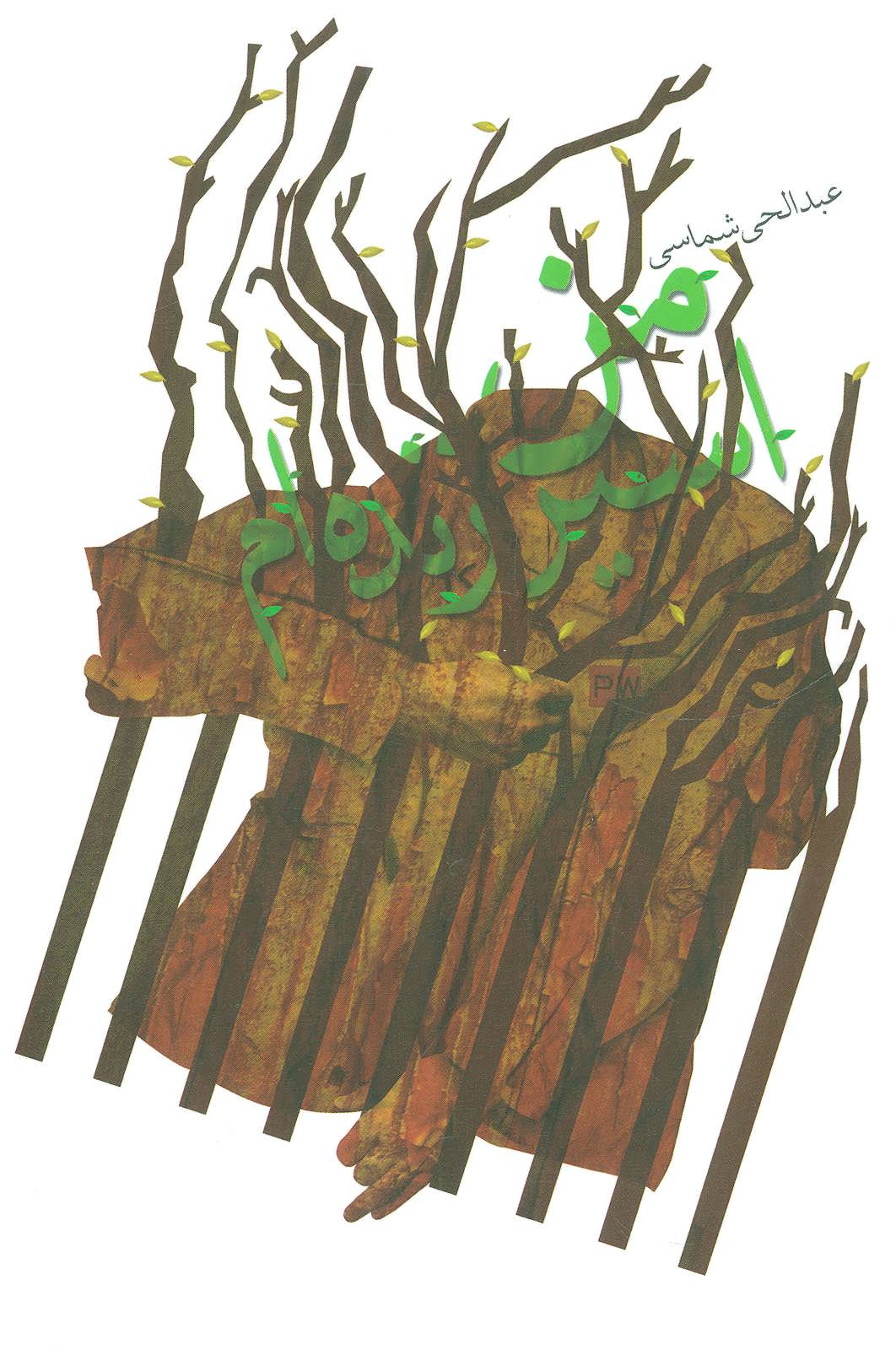
The lengthy play “I Am a Living Captive” is the latest published work by Abdolhayi Shamasi on the eve of his sixtieth birthday. The play is based on the life of the late Seyyed Ali Akbar Aboutorabi, specifically focusing on a particular period during his imprisonment in the jails of the Iraqi Baath regime. Shamasi, who has a portfolio of numerous plays in various styles, has chosen to blend multiple writing techniques in this long play to create vivid imagery in the minds of his readers. Alongside simple, sweet, lively prose, he employs a structural combination where one dramatic space transitions into another, and one dramatic situation merges into another without any organic connection. The central character, Seyyed Ali Akbar Aboutorabi, is portrayed as passing through multiple scenes of captivity in his mind, which are visually presented on the stage to his audience. Shamasi realistically depicts the cruelty and oppression of Baath forces against Iranian prisoners, avoiding common biases often present in literature, theater, and cinema related to the Sacred Defense. He aims to craft a completely natural and understandable setting for staging the scenes. As a result, the play sometimes presents highly realistic scenes and dialogues, while at other times introduces surreal spaces that are nonetheless based on real incidents acknowledged by the author. Another notable feature of this theatrical text is the artistic use of a considerable number of characters—48 distinct human roles—all gradually entering the stage environment and each contributing meaningfully. None of the characters come across as unpleasant or unrealistic; audiences can sense each character through their words. Above all, the masterpiece of the play is its depiction of the truly authentic character of Seyyed Azadegan, the late Seyyed Ali Akbar Aboutorabi. The only dialogue attributed to him is artfully written, painting the lean stature and firmness of his words vividly in the audience’s mind. Shamasi’s profound insight into Aboutorabi’s personality allowed him not to overlook even the smallest behavioral and character nuances when constructing his dialogues. His frequent use of certain words and phrases established in Aboutorabi’s literature helps him present a natural and very relatable image of the man before the audience.








Reviews
Clear filtersThere are no reviews yet.